[Check Latest Arrivals toilet bowl caulk on Amazon.]
# How to Caulk a Toilet Bowl Like a Pro: 7 Easy Steps (2026)
Is your toilet wobbling? Or maybe you’re noticing water pooling around the base? A fresh bead of caulk can work wonders, not only securing your toilet but also preventing nasty leaks and mold growth. Don’t worry, you don’t need to be a plumbing expert to get the job done right. This guide will walk you through the process of how to caulk a toilet bowl like a pro in just seven easy steps! Let’s grab our tools and get started!
[Explore Top Rated toilet bowl caulk on Amazon.]
## Step-by-Step Guide to Caulking Your Toilet Bowl
Here’s a simple, straightforward, and effective method to get that professional look and seal:
### Step 1: Gather Your Supplies
Before you even think about touching your toilet, make sure you have everything you need. This will prevent frustrating interruptions mid-project. Here’s your checklist:
* **New Caulk:** (See notes on which kind of caulk to buy in the Tools for the Job section).
* **Caulk Gun:** Essential for controlled application.
* **Caulk Removal Tool or Utility Knife:** For removing old caulk.
* **Scraper:** For finer cleanup.
* **Rags or Paper Towels:** For wiping up messes.
* **Rubbing Alcohol:** To clean and prep the surface.
* **Masking Tape (optional):** For creating clean lines.
* **Gloves (optional):** To keep your hands clean.
### Step 2: Remove the Old Caulk
This is arguably the most important step. Never apply new caulk over old; it won’t adhere properly and you’ll be back to square one in no time. Using a caulk removal tool or a utility knife, carefully cut along the edges of the old caulk where it meets the toilet and the floor.
**Pro Tip:** A heat gun or hair dryer can soften old caulk, making it easier to remove. Just be careful not to overheat the toilet.
Once you have the edges cut, try to peel the old caulk away. A scraper can help remove stubborn bits. Make sure you get rid of all the old caulk. Pieces that are left behind will create an uneven surface.
### Step 3: Clean the Area Thoroughly
A clean surface is crucial for proper adhesion. Use a scraper to remove any remaining caulk residue. Then, grab your rubbing alcohol and a rag and thoroughly clean the area around the base of the toilet. This will remove any dirt, grime, or mildew that could prevent the new caulk from sticking. Let the area dry completely before moving on. Again, this is very important otherwise your caulk bead can come off easily.
### Step 4: Apply Masking Tape (Optional)
If you’re aiming for perfectly straight caulk lines, masking tape is your friend. Apply it carefully along both the toilet and the floor, leaving a narrow gap for the caulk. This step is optional but highly recommended for beginners. It ensures you will have straight lines and a consistent bead of caulk.
### Step 5: Load and Prepare the Caulk Gun
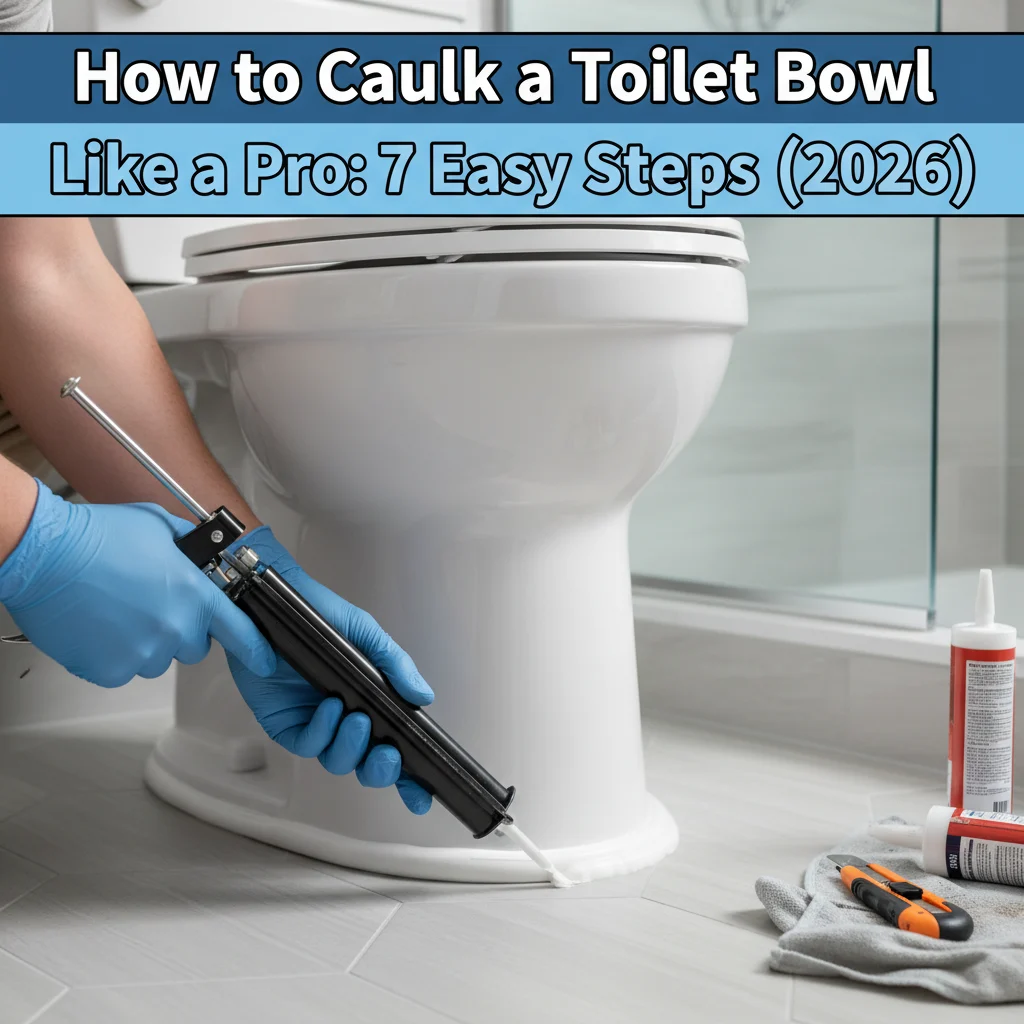
Insert your tube of new caulk into the caulk gun. Cut the tip of the caulk tube at a 45-degree angle, starting with a small opening. You can always make the opening bigger if needed, but you can’t make it smaller! Puncture the inner seal of the tube using the tool provided on the caulk gun (usually a long, thin rod). Now you are ready to dispense caulk.
### Step 6: Apply the Caulk
Hold the caulk gun at a consistent angle (usually around 45 degrees) and apply a steady bead of caulk around the base of the toilet. Apply even pressure to the trigger, moving slowly and smoothly. Aim for a consistent bead size. If you are applying caulk in a humid bathroom, ensure that you have removed the humidity prior to application. If not, this could affect the drying time of your caulk.
**Pro Tip:** If you’re using masking tape, don’t worry too much about being perfectly neat. The tape will catch any excess caulk.
### Step 7: Smooth and Finish
Immediately after applying the caulk, smooth it out using your finger or a caulk smoothing tool. Dip your finger in water with a drop of dish soap to prevent the caulk from sticking. Apply gentle and even pressure to create a smooth, concave finish.
If you used masking tape, carefully peel it away *before* the caulk dries. Pull the tape away at a 45-degree angle to avoid smudging the caulk. Wipe up any excess caulk with a damp rag.
Allow the caulk to dry completely according to the manufacturer’s instructions. This usually takes 24-48 hours. Avoid using the toilet during this time to ensure the caulk sets properly.
[Explore Top Rated toilet bowl caulk on Amazon.]
## Tools for the Job: Choosing the Right toilet bowl caulk
Selecting the right [core keyword] or toilet bowl caulk is crucial for a long-lasting and effective seal. Here are a couple of excellent choices:
* **100% Silicone Caulk:** This is generally considered the best option for caulking around toilets. It’s waterproof, flexible, and resistant to mold and mildew. Look for a product specifically designed for bathrooms and kitchens. GE Silicone 1 is a popular and reliable choice. Its flexibility ensures it can handle the slight movements a toilet might experience without cracking.
* **Acrylic Latex Caulk with Silicone:** This is a more affordable option that’s easier to apply and clean up. However, it’s not as durable or waterproof as 100% silicone. If you choose this option, make sure it contains silicone for improved water resistance. Dap Alex Plus is a good example.
**Key Features to Consider When Choosing toilet bowl caulk:**
* **Water Resistance:** Essential for preventing leaks and mold growth.
* **Flexibility:** Allows the caulk to move with the toilet without cracking.
* **Mold and Mildew Resistance:** Prevents unsightly and unhealthy growth.
* **Paintability:** Important if you want to paint the caulk to match your bathroom decor (acrylic latex caulk only).
* **Color:** Choose a color that complements your toilet and floor. White is a common choice, but clear or almond may also work well.
[Explore Top Rated toilet bowl caulk on Amazon.]
## Pro-Tips / FAQ Section
**Q: How do I prevent mold from growing on my caulk?**
A: Use a caulk specifically designed for bathrooms and kitchens, which contains mold and mildew inhibitors. Regularly clean the caulk with a bleach solution to prevent mold growth. Ensure adequate ventilation in your bathroom to reduce humidity.
**Q: What if the gap between the toilet and the floor is too big?**
A: For larger gaps, use a foam backer rod to fill the space before applying caulk. This will prevent the caulk from sinking into the gap and cracking. These are inexpensive and can be found at your local home improvement center.
**Q: Can I use regular caulk instead of bathroom caulk?**
A: While you *can*, it’s not recommended. Regular caulk is not as water-resistant or mold-resistant as bathroom caulk, so it’s likely to fail sooner and promote mold growth.
**Q: How often should I re-caulk my toilet?**
A: It depends on the quality of the caulk and the conditions in your bathroom, but generally, you should re-caulk your toilet every 2-3 years, or whenever you notice cracks, gaps, or mold growth.
**Q: The caulk is too runny! What am I doing wrong?**
A: Ensure that you have not cut the tip of the caulk tube too far down. This will cause too much caulk to exit the tube causing it to be runny. Ensure the area you are applying caulk to is dry and not damp. This can also cause the caulk to be runny even after dry.
[Explore Top Rated toilet bowl caulk on Amazon.]
## Encouraging Conclusion
So there you have it! Caulking a toilet bowl doesn’t have to be a daunting task. By following these simple steps and using the right tools, you can easily achieve a professional-looking and long-lasting seal. Not only will this improve the appearance of your bathroom, but it will also protect your home from water damage and mold growth. Go ahead, give it a try! You’ve got this!
[Shop Budget-Friendly toilet bowl caulk on Amazon.]




![Steam Pressure Cleaner Buying Guide [2026]: Reviews, FAQs & More](https://www.besthomecleaningreviews.com/wp-content/uploads/2025/10/2455-steam-pressure-cleaner-buying-guide-2026-reviews-faqs-more-150x150.png)