[Check Latest Arrivals furniture polish wood on Amazon.]
# Furniture Polish Wood: The Ultimate Guide to Restoring & Protecting Your Furniture
Want to keep your wooden furniture looking its absolute best? You’re in the right place! This ultimate guide to furniture polish wood will walk you through everything you need to know about restoring and protecting your beloved pieces. From understanding different types of polish to mastering application techniques, we’ll cover it all. Get ready to transform your furniture from dull to dazzling!
[Explore Top Rated furniture polish wood on Amazon.]
## Understanding Your Furniture’s Needs
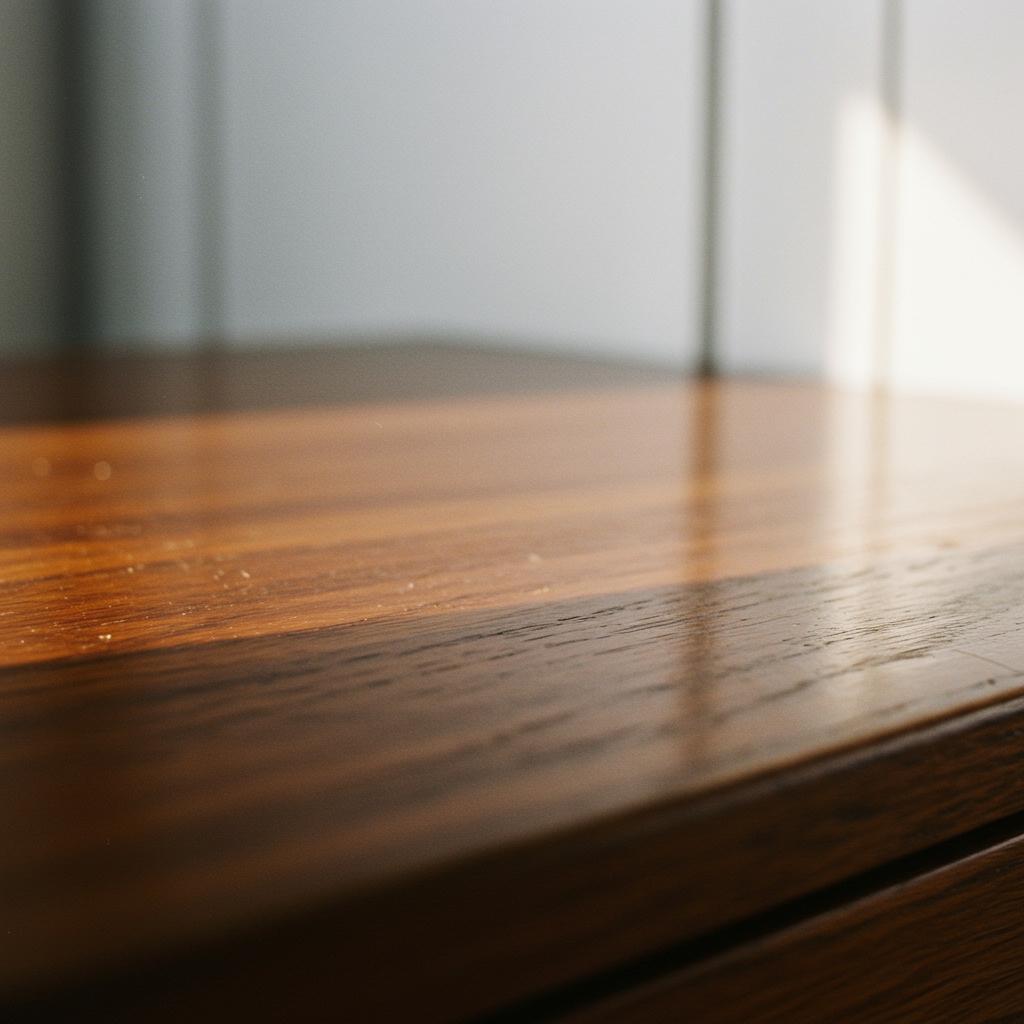
Before diving into the world of furniture polish wood, it’s crucial to understand what your furniture needs. Wood, a natural material, is susceptible to damage from everyday wear and tear, sunlight, moisture, and dryness. Different types of wood, like oak, maple, pine, and walnut, also have varying levels of porosity and sensitivity.
Understanding these factors will help you choose the right type of polish and application method. For instance, antique furniture may require a gentler approach compared to modern, factory-finished pieces. Taking the time to assess your furniture’s condition and material is the first step towards successful restoration and protection.
[Explore Top Rated furniture polish wood on Amazon.]
## Types of Furniture Polish Wood
The world of furniture polish wood is diverse, with various types formulated for specific purposes. Let’s explore some of the most common options:
* **Oil-Based Polishes:** These polishes penetrate the wood, nourishing it from within and providing a warm, rich sheen. They’re excellent for restoring dried-out furniture and enhancing the natural grain. However, they can attract dust and require more frequent application.
* **Wax-Based Polishes:** Wax polishes create a protective layer on the surface of the wood, guarding against scratches, moisture, and stains. They provide a durable, long-lasting finish and are ideal for high-traffic areas. Wax polishes can be more challenging to apply, requiring buffing to achieve a smooth, even finish.
* **Silicone-Based Polishes:** Silicone polishes offer a quick and easy way to add shine to your furniture. They create a water-resistant barrier and repel dust, making them a popular choice for busy households. However, silicone can build up over time, creating a hazy appearance and potentially interfering with future refinishing efforts.
* **Water-Based Polishes:** These polishes are environmentally friendly and low in VOCs (volatile organic compounds). They provide a gentle clean and shine without harsh chemicals and are suitable for all types of wood. While they may not offer the same degree of protection as some other options, they are a great choice for maintaining the beauty of your furniture.
* **Aerosol Polishes:** These are easy to apply but often contain propellants that can damage the ozone layer and may not provide the most long-lasting protection compared to other types of furniture polish wood. Use sparingly.
[Explore Top Rated furniture polish wood on Amazon.]
## Essential Tools for Polishing Wood Furniture
Before you begin the polishing process, gather the necessary tools to ensure a smooth and effective experience. Here’s a list of essential items:
* **Soft Cloths:** Use lint-free cotton or microfiber cloths for applying and buffing the polish. Avoid using rough or abrasive materials that could scratch the wood.
* **Furniture Polish Wood:** Choose the appropriate type of polish based on your furniture’s needs and the desired finish.
* **Dusting Brush:** A soft-bristled brush is ideal for removing dust and debris from crevices and corners before polishing.
* **Gloves:** Protect your hands from chemicals and stains by wearing gloves during the polishing process.
* **Drop Cloth:** Cover the surrounding area with a drop cloth to prevent spills and splatters.
* **Buffing Pad:** For wax-based polishes, a buffing pad or machine can help achieve a smooth, even finish.
[Explore Top Rated furniture polish wood on Amazon.]
## Step-by-Step Guide to Polishing Wood Furniture
Now that you have a better understanding of furniture polish wood and the necessary tools, let’s dive into the step-by-step process of polishing your furniture:
### Step 1: Dusting and Cleaning
Start by thoroughly dusting the furniture with a soft brush or cloth. Pay attention to crevices, corners, and decorative elements. If the furniture is dirty or greasy, clean it with a mild soap solution (like dish soap diluted in water) and a damp cloth. Be sure to dry the furniture completely before proceeding to the next step.
### Step 2: Applying the Polish
Apply a small amount of furniture polish wood to a clean, soft cloth. Gently rub the polish onto the wood surface, following the grain pattern. Avoid applying too much polish at once, as this can lead to a sticky or uneven finish. Work in small sections, ensuring that the polish is evenly distributed.
### Step 3: Buffing the Polish
After applying the polish, use a clean, dry cloth to buff the surface. Buff in a circular motion, applying gentle pressure to remove any excess polish and reveal the shine. For wax-based polishes, you may need to buff more vigorously to achieve a smooth, even finish. If using a buffing machine, follow the manufacturer’s instructions carefully.
### Step 4: Removing Excess Polish
Inspect the furniture for any areas with excess polish or streaks. Use a clean cloth to remove the excess polish and blend the finish. Pay particular attention to edges and corners, where polish can accumulate.
### Step 5: Admire Your Work!
Step back and admire your newly polished furniture! The wood should look revitalized, with a warm, rich sheen. Regular polishing will help protect your furniture and keep it looking its best for years to come.
[Explore Top Rated furniture polish wood on Amazon.]
## Pro-Tips for Polishing Wood Furniture
* **Test the Polish:** Before applying polish to the entire piece of furniture, test it on an inconspicuous area to ensure compatibility and avoid any adverse reactions.
* **Be Patient:** Polishing wood furniture requires patience and attention to detail. Don’t rush the process, and take your time to achieve the best results.
* **Avoid Direct Sunlight:** Do not polish your furniture in direct sunlight, as this can cause the polish to dry too quickly and create streaks.
* **Don’t Over-Polish:** Polishing too frequently can lead to a buildup of polish, creating a hazy or sticky finish. Polish your furniture only when needed, typically every few months.
* **Read the Label:** Always read and follow the manufacturer’s instructions on the furniture polish wood label.
* **Antique Furniture:** For antique furniture, consider consulting with a professional restorer before attempting to polish it yourself. Older pieces may require specialized care to avoid damage. A professional can advise on the best furniture polish wood and techniques for your antique items.
[Explore Top Rated furniture polish wood on Amazon.]
## Choosing the Right Furniture Polish Wood for Your Needs
Selecting the right furniture polish wood depends on various factors, including the type of wood, the finish (varnish, lacquer, shellac, etc.), and your desired level of shine and protection. Here’s a guide to help you make the right choice:
* **For Oiled Finishes:** Use an oil-based polish to replenish the natural oils in the wood and enhance its grain.
* **For Varnished or Lacquered Finishes:** Use a wax-based or silicone-based polish to protect the surface and add shine.
* **For Shellac Finishes:** Use a gentle, water-based polish to avoid damaging the delicate shellac finish.
Consider the environment where your furniture is located. If it’s in a high-humidity area, choose a polish that offers moisture protection. If it’s exposed to direct sunlight, choose a polish with UV protection to prevent fading.
[Explore Top Rated furniture polish wood on Amazon.]
## Recommended Furniture Polish Wood Products
Here are a few highly recommended furniture polish wood products, available on Amazon, that offer excellent results for restoring and protecting your furniture:
1. **Howard Products Feed-N-Wax Wood Preserver:** This versatile product is a blend of beeswax, carnauba wax, and orange oil. The **orange oil gently cleans** while the wax protects — This product is a favorite for its ability to nourish wood and provide a natural-looking sheen. It’s easy to apply and can be used on a variety of wood finishes. The **natural ingredients** also mean less harsh chemicals used in your home.
2. **Pledge Lemon Enhancing Polish:** For a quick and easy shine, Pledge Lemon Enhancing Polish is a reliable choice. It cleans, shines, and protects your furniture, leaving behind a refreshing lemon scent. Its key features like the **dust-repelling formula** are great for maintaining a clean surface. The **ease of use** makes quickly cleaning furniture less time consuming.
3. **Guardsman Anytime Clean & Polish:** Guardsman Anytime Clean & Polish is a water-based formula that is safe for use on all types of wood finishes. It gently cleans and polishes, removing dust, fingerprints, and smudges without leaving behind a residue. This product is designed for frequent use to maintain the beauty of your furniture. Key features include the **gentle formula** which means that the polish is not too harsh on the wood.
When selecting a furniture polish wood product, carefully review the product description and customer reviews to ensure it meets your specific needs and expectations.
[Explore Top Rated furniture polish wood on Amazon.]
## Common Mistakes to Avoid When Polishing Wood Furniture
Polishing wood furniture may seem straightforward, but there are several common mistakes that can damage your furniture or result in a less-than-desirable finish. Here are some pitfalls to avoid:
* **Using Abrasive Cleaners:** Avoid using harsh chemicals, scouring pads, or abrasive cleaners that can scratch or dull the wood finish.
* **Applying Too Much Polish:** Applying too much polish can create a sticky, uneven finish that is difficult to buff.
* **Ignoring the Wood Grain:** Always polish in the direction of the wood grain to avoid creating streaks or swirls.
* **Polishing Dirty Furniture:** Polishing dirty furniture can grind dirt and dust into the finish, causing scratches and damage.
* **Using the Wrong Type of Polish:** Using the wrong type of polish can damage the finish or leave behind a residue.
* **Not Buffing Properly:** Failing to buff the polish thoroughly can leave behind a hazy or uneven finish.
By being aware of these common mistakes and taking the necessary precautions, you can ensure that your furniture polishing efforts are safe and effective.
[Explore Top Rated furniture polish wood on Amazon.]
## FAQ About Furniture Polish Wood
**Q: How often should I polish my wood furniture?**
A: It depends on the furniture and the level of use it gets. Generally, polishing every few months is sufficient. High-traffic pieces may need more frequent polishing.
**Q: Can I use furniture polish wood on laminate or veneer furniture?**
A: It’s best to use polishes specifically designed for laminate or veneer. Regular furniture polish can damage these surfaces.
**Q: How do I remove old wax buildup from my furniture?**
A: Mineral spirits or a specialized wax remover can help dissolve old wax buildup. Always test in an inconspicuous area first.
**Q: Is it safe to use furniture polish wood on antique furniture?**
A: Exercise caution when polishing antique furniture. Consult with a professional restorer if you’re unsure. Gentle cleaning and waxing are usually the best options.
**Q: Can I make my own furniture polish wood?**
A: Yes, there are several DIY furniture polish recipes using natural ingredients like olive oil and lemon juice. However, always test DIY polishes in an inconspicuous area before applying them to the entire piece of furniture.
**Q: How do I prevent scratches on my wood furniture?**
A: Use coasters and placemats, avoid placing sharp objects directly on the surface, and consider using furniture protectors on high-traffic areas.
[Explore Top Rated furniture polish wood on Amazon.]
## Conclusion
Congratulations! You’ve reached the end of this ultimate guide to furniture polish wood. By understanding the different types of polish, mastering the polishing process, and avoiding common mistakes, you can successfully restore and protect your furniture for years to come. Remember, maintaining the beauty of your furniture is an ongoing effort, but with the right knowledge and tools, you can keep your pieces looking their absolute best. Now, go forth and give your wood furniture the TLC it deserves!
[Shop Budget-Friendly furniture polish wood on Amazon.]




![Steam Pressure Cleaner Buying Guide [2026]: Reviews, FAQs & More](https://www.besthomecleaningreviews.com/wp-content/uploads/2025/10/2455-steam-pressure-cleaner-buying-guide-2026-reviews-faqs-more-150x150.png)