[Check Latest Arrivals cellulose kitchen sponge on Amazon.]
# Cellulose Kitchen Sponges: Are They *Really* the Best for 2026?
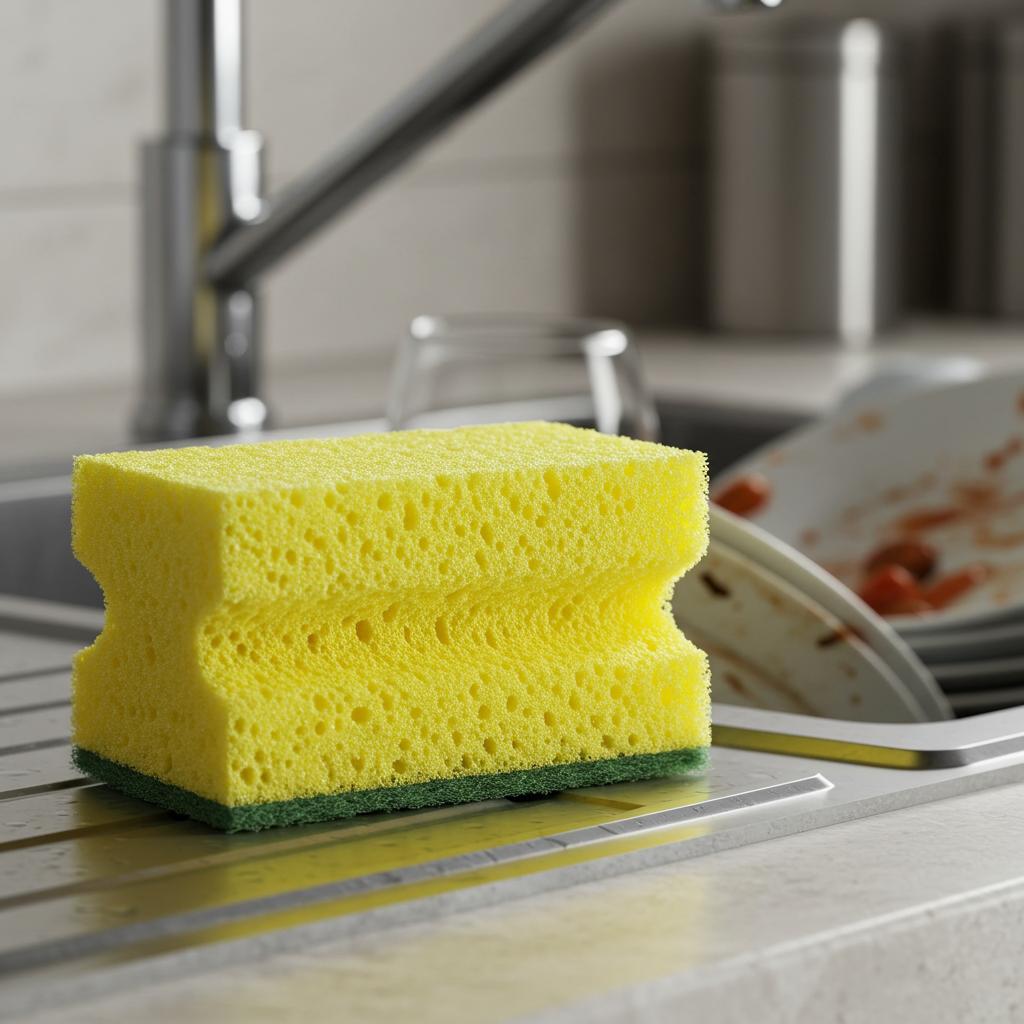
You’re standing at the kitchen sink, staring at that stubborn grime on your favorite pan, wondering: are those brightly colored cellulose sponges *actually* the best option for getting the job done? With so many cleaning tools on the market, it’s a fair question. In this article, we’ll dive deep into the world of cellulose kitchen sponges, exploring their pros and cons to determine if they truly deserve a spot as your go-to cleaning companion in 2026.
[Explore Top Rated cellulose kitchen sponge on Amazon.]
## The Allure of the Cellulose Kitchen Sponge
Let’s face it, the kitchen sponge is a staple. It’s right up there with dish soap and the trusty kitchen towel. But why are cellulose sponges so popular? What makes them a cleaning mainstay?
* **Absorbency:** Cellulose sponges are incredibly absorbent. They soak up spills and soapy water like champions, making quick work of wiping down counters and washing dishes.
* **Eco-Friendliness (Potentially):** Made from wood pulp, cellulose is a natural and renewable resource, making these sponges a more sustainable option than synthetic sponges. *Potentially* is the key word here, and we’ll delve into that more later.
* **Affordability:** You can find a pack of cellulose sponges for just a few dollars, which is a huge plus when you’re trying to keep your kitchen (and your budget) clean.
* **Gentle on Surfaces:** Unlike abrasive scrubbers, cellulose sponges are generally gentle on most surfaces, making them safe for cleaning delicate dishes, non-stick cookware, and even your countertops.
* **Easy to Clean (Sort Of):** While they require frequent cleaning to prevent bacteria buildup (we’ll talk about this too!), they are relatively easy to sanitize in the microwave or dishwasher.
However, these seemingly innocent sponges have a dark side. They’re notorious breeding grounds for bacteria, and their lifespan can be surprisingly short. So, are there better options? Let’s investigate.
[Explore Top Rated cellulose kitchen sponge on Amazon.]
## The Solution Section: Cellulose Sponges Under the Microscope
The question isn’t just, “Are cellulose sponges *good*?” but “Are they the ***best***?” To answer that, we need to look at their strengths and weaknesses.
Cellulose sponges combat the grime on your dishes by providing a large surface area that can hold soapy water and physically lift and scrub away food particles. Their key feature is their porous structure. This allows them to absorb a significant amount of liquid, crucial for effective cleaning.
But that’s also where the problem lies. The same porous structure that makes them great at soaking up spills also makes them excellent havens for bacteria. Constant moisture combined with food debris creates a perfect breeding ground.
Therefore, the effectiveness of a cellulose sponge relies heavily on *how* you use it and how *diligently* you maintain it.
**Recommended Products:**
To maximize the benefits and mitigate the drawbacks of using cellulose sponges, here are a few products that can help:
1. **Natural Unbleached Cellulose Sponges by [Brand Name Insert Here – e.g., Skoy]:** Look for unbleached cellulose sponges. These are free of harsh chemicals and dyes, making them a more environmentally friendly option.
* **Key Features:** Unbleached, chemical-free, biodegradable.
* Why it’s beneficial: Minimizes chemical exposure, reduces environmental impact, provides effective cleaning.
2. **Microfiber Scrubbing Cloths by [Brand Name Insert Here – e.g., E-Cloth]:** While not a direct replacement, using microfiber cloths *in addition to* or *alternating with* your cellulose sponge can significantly reduce bacteria buildup.
* **Key Features:** Super absorbent, quick-drying, antimicrobial properties (some brands).
* Why it’s beneficial: Dries faster than cellulose, less likely to harbor bacteria, can be used for multiple cleaning tasks.
*Consider linking to these products on Amazon with your affiliate link.*
[Explore Top Rated cellulose kitchen sponge on Amazon.]
## What to Look For: Choosing the Right Cellulose Kitchen Sponge in 2026
Not all cellulose sponges are created equal. Here’s what to consider when making your purchase in 2026:
* **Material Quality:** Opt for sponges made from high-quality cellulose for better durability and absorbency. Look for terms like “virgin cellulose” or “natural cellulose.”
* **Unbleached vs. Bleached:** While bleached sponges might look cleaner, the bleaching process introduces chemicals that can be harmful to the environment and potentially to your health. Unbleached sponges are a safer and more eco-friendly option.
* **Thickness and Size:** Choose a sponge that feels comfortable in your hand and is the right size for your cleaning needs. Thicker sponges tend to be more durable.
* **Durability and Resistance to Tearing:** Look for sponges that are tightly woven and resistant to tearing. A good-quality sponge should last for at least a week or two with proper care.
* **Antimicrobial Properties (Optional):** Some cellulose sponges are infused with antimicrobial agents like silver ions to inhibit bacterial growth. While these can be beneficial, keep in mind that they don’t eliminate the need for regular cleaning.
* **Biodegradability:** Since cellulose is a natural material, many sponges are biodegradable. Look for certifications or claims that indicate the sponge is compostable in a home or industrial composting facility. However, it’s important to note that even biodegradable sponges can take months or even years to break down in a landfill.
* **Packaging:** Consider the packaging of the sponges. Choose products that come in minimal and recyclable packaging.
[Explore Top Rated cellulose kitchen sponge on Amazon.]
## Beyond the Basics: Optimizing Your Cellulose Sponge Cleaning
Even the *best* cellulose sponge will quickly turn into a germ factory if not properly maintained. Here’s how to stay on top of things:
* **Rinse Thoroughly After Each Use:** This is the most crucial step. Rinse the sponge under hot running water until all traces of soap and food particles are gone.
* **Wring Out Excess Water:** After rinsing, squeeze out as much water as possible. A damp sponge is a breeding ground for bacteria, so the drier you can get it, the better.
* **Sanitize Regularly:** Sanitize your sponge at least once a day. Here are a few methods:
* **Microwave:** Wet the sponge thoroughly and microwave it on high for 1-2 minutes. Let it cool before handling.
* **Dishwasher:** Run the sponge through the dishwasher on the top rack.
* **Boiling:** Boil the sponge in water for 5 minutes.
* **Vinegar Solution:** Soak the sponge in a solution of equal parts white vinegar and water for 5 minutes.
* **Store Properly:** Store the sponge in a well-ventilated area where it can dry completely. Avoid leaving it in a damp sink or on a wet surface. Consider using a sponge holder that allows for airflow.
* **Replace Frequently:** Even with the best care, cellulose sponges will eventually wear out and become unsanitary. Replace your sponge at least once a week, or more often if it starts to smell or show signs of wear and tear.
* **Consider Alternatives:** For particularly grimy messes, consider using a scrub brush or a disposable cleaning wipe instead of your cellulose sponge. This can help to extend the life of your sponge and reduce the risk of bacterial contamination.
[Explore Top Rated cellulose kitchen sponge on Amazon.]
## Potential Alternatives to Cellulose Sponges
While cellulose sponges certainly have their place, they aren’t the only game in town. Here are some alternative options to consider:
* **Silicone Sponges:** These sponges are made from silicone, which is non-porous and doesn’t absorb water. This makes them less likely to harbor bacteria and easier to clean. Silicone sponges are also more durable than cellulose sponges and can last for months.
* **Microfiber Cloths:** Microfiber cloths are super absorbent and quick-drying, making them a great alternative to sponges. They can be washed and reused multiple times, making them a more sustainable option.
* **Dish Brushes:** Dish brushes are a good option for scrubbing pots and pans. They are more durable than sponges and can be easily cleaned.
* **Swedish Dishcloths:** These cloths are made from a blend of cellulose and cotton, making them super absorbent and durable. They can be washed and reused multiple times and are also biodegradable.
[Explore Top Rated cellulose kitchen sponge on Amazon.]
## Final Verdict: Are Cellulose Kitchen Sponges the Best for 2026?
So, circling back to our original question: Are cellulose kitchen sponges *really* the best for 2026?
The answer is… it depends!
They are a cost-effective, absorbent, and reasonably eco-friendly option. However, their tendency to harbor bacteria makes them a less-than-ideal *sole* solution.
**Here’s the truth:**
* **If you prioritize budget and are diligent about cleaning and replacing them frequently (at least weekly), cellulose sponges can be a viable option.**
* **For optimal hygiene and longevity, consider using cellulose sponges *in conjunction with* other cleaning tools like microfiber cloths, silicone scrubbers, or dish brushes.**
* **If hygiene is your *top* priority, consider switching to a non-porous alternative like a silicone sponge altogether.**
Ultimately, the best cleaning tool for you depends on your individual needs and preferences. By understanding the pros and cons of cellulose sponges and taking the necessary precautions, you can make an informed decision and keep your kitchen sparkling clean in 2026 and beyond!
[Shop Budget-Friendly cellulose kitchen sponge on Amazon.]




![Steam Pressure Cleaner Buying Guide [2026]: Reviews, FAQs & More](https://www.besthomecleaningreviews.com/wp-content/uploads/2025/10/2455-steam-pressure-cleaner-buying-guide-2026-reviews-faqs-more-150x150.png)