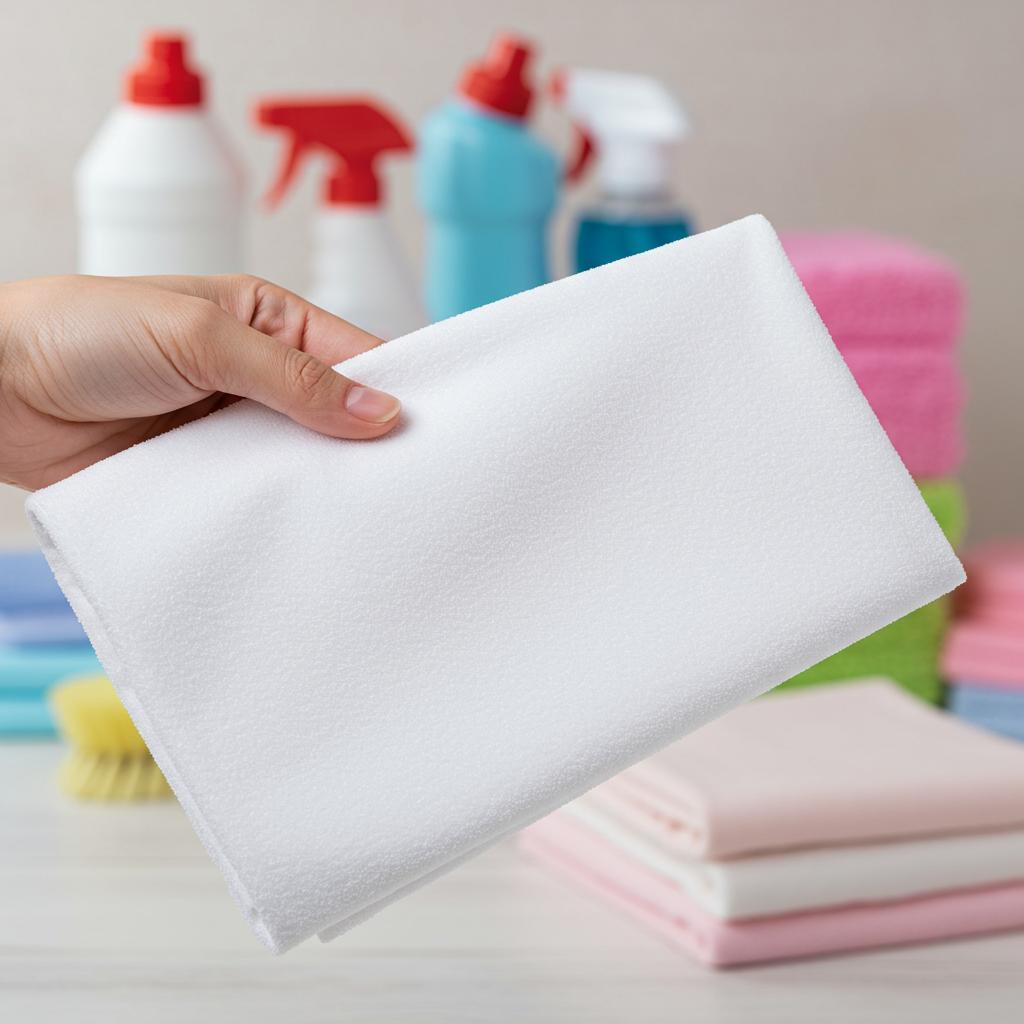
[Check Latest Arrivals cotton cloth cleaning on Amazon.]
# Cotton Cloth Cleaning: The Ultimate Guide to Spotless Results (2026)
Are you tired of dingy cotton cloths that just don’t seem to get truly clean? Do you find yourself constantly battling stains and odors in your favorite kitchen towels or delicate cleaning cloths? You’re not alone! Achieving spotless results with cotton cloth cleaning can feel like a constant uphill battle. But don’t worry, this ultimate guide is here to show you the secrets to sparkling clean cotton cloths, year after year. This 2026 guide is your roadmap to keeping those cloths fresh, sanitary, and ready for any cleaning task.
[Explore Top Rated cotton cloth cleaning on Amazon.]
## Why Cotton Cloths Get So Dirty (And Seem Impossible to Clean)
Before we dive into the how-to, let’s understand why cotton cloths get so dirty in the first place. This isn’t just about laziness or improper technique; cotton’s very nature contributes to the problem.
* **Absorbent Nature:** Cotton is incredibly absorbent (that’s why we love it!), but this also means it soaks up everything it touches – grease, food particles, dust, spills, you name it. This makes it a breeding ground for bacteria if not properly cleaned.
* **Fiber Structure:** The natural fibers in cotton have a textured surface, which allows dirt and grime to cling on more easily than synthetic materials.
* **Frequent Use:** Think about how often you use your cleaning cloths. Wiping up spills, dusting surfaces, cleaning bathrooms-they’re constantly exposed to dirt and grime.
* **Delayed Cleaning:** We’ve all been guilty of tossing a dirty cloth in the laundry basket with the intention of washing it later. However, the longer that dirt sits, the more it sets into the fibers, making it harder to remove.
* **Improper Washing:** Even when you do wash your cotton cloths, using the wrong detergent, water temperature, or drying method can prevent them from getting truly clean.
Understanding these factors helps us appreciate why a dedicated cotton cloth cleaning approach is essential. And by following the steps in this guide, you can overcome these challenges and consistently achieve spotless results.
[Explore Top Rated cotton cloth cleaning on Amazon.]
## The Solution: A Comprehensive Guide to Cotton Cloth Cleaning
Now, let’s get down to the nitty-gritty of cotton cloth cleaning! This comprehensive guide will walk you through the steps, covering everything from pre-treatment to washing and drying, ensuring your cotton cloths emerge fresh, clean, and ready for action.
### Step 1: Immediate Action – The Pre-Treatment Power Play
The key to getting rid of stubborn stains on your cotton cloth cleaning is to address them immediately, preventing them from setting into the fibers.
1. **Rinse Immediately:** As soon as the cloth gets stained, rinse it under cold running water. This flushes out loose dirt and particles before they have a chance to penetrate the fabric.
2. **Apply Stain Remover:** Choose a stain remover specifically formulated for the type of stain you’re dealing with. For oily stains, dish soap works wonders. For tougher stains like blood or red wine, consider an enzymatic stain remover.
3. **Gently Rub:** Gently rub the stain remover into the fabric using your fingers or a soft brush. Avoid harsh scrubbing, which can damage the fibers.
4. **Soak (if necessary):** For stubborn stains, soak the cloth in a solution of warm water and stain remover for at least 30 minutes, or even overnight.
### Step 2: Choosing the Right Laundry Detergent
Not all laundry detergents are created equal when it comes to cotton cloth cleaning. Opt for one that is:
1. **Enzyme-Based Formula:** These detergents contain enzymes that break down tough stains like grease, protein, and food particles.
2. **Color-Safe Bleach Alternative:** To brighten whites and remove dinginess without harsh bleach, look for a detergent that contains a color-safe bleach alternative.
3. **Low-Suds Formula:** Excessive suds can prevent the detergent from properly rinsing out of the cloth.
4. **Eco-Friendly Options:** Consider detergents that are biodegradable and free of harsh chemicals, not only for the environment but also for the health of your skin when using the clean cloths.
### Step 3: Setting the Stage – Sort and Load Your Laundry
Proper sorting and loading are often overlooked but vital for effective cotton cloth cleaning.
1. **Separate Whites from Colors:** This prevents color bleeding and keeps your white cloths bright.
2. **Heavily Soiled Items Separate:** Isolate extremely dirty cloths from the others to avoid cross-contamination
3. **Don’t Overload:** Overloading the washing machine prevents the cloths from getting properly agitated and cleaned. Leave enough room for the cloths to move freely in the water.
### Step 4: The Magic Wash Cycle
The wash cycle is where the real transformation happens. Follow these steps for optimal results.
1. **Hot Water (Ideally):** Hot water (140°F or higher) is ideal for killing bacteria and removing stubborn stains. However, always check the care label of your cotton cloths to ensure they can withstand hot water. If not, warm water is a suitable alternative.
2. **Heavy Duty Cycle:** Select a heavy-duty or sanitary cycle for maximum cleaning power.
3. **Extra Rinse Cycle:** Add an extra rinse cycle to ensure all detergent residue is removed from the cloths. Detergent buildup can lead to stiffness and reduced absorbency.
4. **Vinegar Boost:** Add one cup of white vinegar to the rinse cycle to help remove any lingering odors, soften the cloths, and further eliminate any remaining detergent.
### Step 5: The Drying Process – Air Dry vs. Machine Dry
The drying method can significantly impact the cleanliness and lifespan of your cotton cloths.
1. **Air Drying (Recommended):** Air drying is the most gentle option, preventing shrinkage and preserving the fibers of the cloths. Hang the cloths outside on a clothesline or indoors on a drying rack. Sunlight has natural bleaching and sanitizing properties.
2. **Machine Drying (If Necessary):** If you machine dry your cotton cloths, use a low heat setting to prevent shrinkage and damage. High heat can also cause stains to set in.
3. **Avoid Over-Drying:** Over-drying can make the cloths stiff and brittle. Remove the cloths from the dryer while they are still slightly damp.
4. **Dryer Balls (Optional):** Add dryer balls to the dryer to help fluff the cloths and reduce drying time.
### Step 6: Storage Strategies for Cleanliness
How you store your clean cotton cloths is just as important as how you wash them.
1. **Store in a Clean, Dry Place:** Avoid storing them in damp or humid environments, which can promote mold and mildew growth.
2. **Folding and Organization:** Fold the cloths neatly and store them in a designated drawer or container.
3. **Avoid Contact with Dirty Items:** Make sure your clean cloths don’t come into contact with dirty items.
4. **Regular Rotation:** Rotate your stock of cotton cloths regularly, using the oldest ones first.
[Explore Top Rated cotton cloth cleaning on Amazon.]
## Tools for the Job: Recommended Products for Cotton Cloth Cleaning
While the above steps work miracles on their own, right tools can make cotton cloth cleaning even easier and more effective. And here are a few affiliate-friendly recommendations:
* **Puracy Natural Laundry Stain Remover:** Its enzymes is extremely effective to help you deal with stains.
* **Mrs. Meyer’s Clean Day Laundry Detergent:** Its scent is so nice, and with plant-derived cleaning ingredients, you can have good cleaning experience with it.
These cotton cloth cleaning friends will help you clean easier.
[Explore Top Rated cotton cloth cleaning on Amazon.]
## Pro-Tips / FAQ Section: Conquering Common Cotton Cloth Cleaning Challenges
Here are some answers to frequent questions as well as some additional tips.
**Q: How do I get rid of mildew smell from my cotton cloths?**
**A:** Soak the cloths in a solution of white vinegar and water for several hours, then wash them as usual. You can also add baking soda to the wash cycle.
**Q: My white cotton cloths are still dingy, even after washing. What can I do?**
**A:** Try soaking the cloths in a solution of oxygen bleach (like OxiClean) before washing. You can also try hanging them outside in the sun to naturally brighten them.
**Q: Can I use bleach on my cotton cloths?**
**A:** While bleach can be effective for whitening, it can also damage the fibers of cotton cloths over time. Use it sparingly and always dilute it with water. Opt for color-safe bleach alternatives whenever possible.
**Q: How often should I wash my cotton cloths?**
**A:** Wash your cloths after each use, especially if they have come into contact with food or bodily fluids.
**Q: Can I wash microfiber cloths with my cotton cleaning cloths?**
**A:** It’s generally not recommended. Microfiber can attract lint, and washing them together can cause the cotton cloths to become covered in lint.
[Explore Top Rated cotton cloth cleaning on Amazon.]
## Encouraging Conclusion: Spotless Results Are Within Reach!
Achieving spotless results with cotton cloth cleaning doesn’t have to be a daunting task. By following these steps and using the right products, you can keep your cotton cloths fresh, clean, and ready for any cleaning challenge. Remember, immediate action and proper washing and drying techniques are the keys to success. So, go ahead and put this guide into action and experience the satisfaction of spotless cotton cloths! You’ve got this!
[Shop Budget-Friendly cotton cloth cleaning on Amazon.]




![Steam Pressure Cleaner Buying Guide [2026]: Reviews, FAQs & More](https://www.besthomecleaningreviews.com/wp-content/uploads/2025/10/2455-steam-pressure-cleaner-buying-guide-2026-reviews-faqs-more-150x150.png)