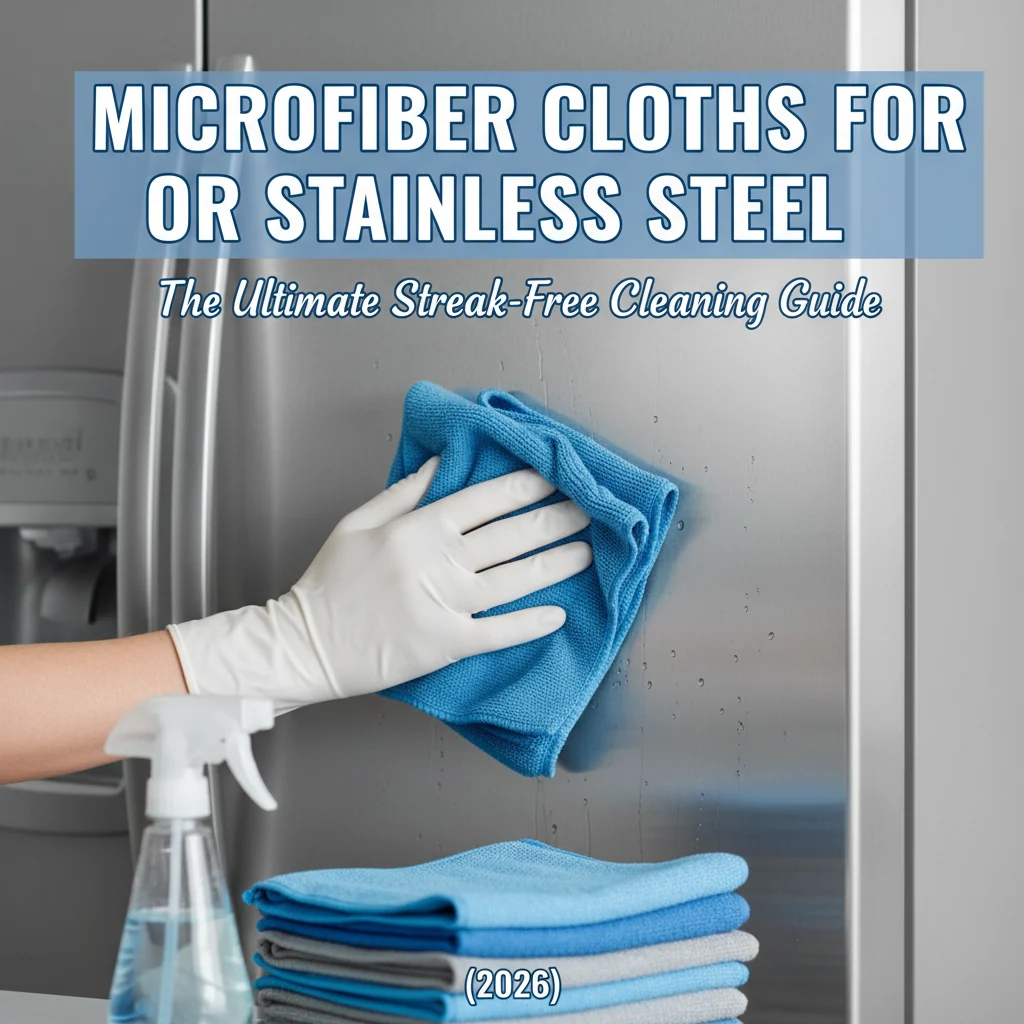
[Check Latest Arrivals microfiber cloth for cleaning stainless steel on Amazon.]
# Microfiber Cloths for Stainless Steel: The Ultimate Streak-Free Cleaning Guide (2026)
Let’s face it: stainless steel is gorgeous, but it’s a magnet for fingerprints, smudges, and streaks. You can spend hours polishing, only to have it look dirty again moments later. But what if I told you there’s a simple, effective solution to achieving truly streak-free stainless steel? The answer is right in your cleaning arsenal: the humble microfiber cloth. This guide will give you the ultimate rundown on using microfiber cloths for stainless steel so that you can enjoy sparkling, flawless surfaces that last. Forget harsh chemicals and endless polishing; the right microfiber cloth can revolutionize your cleaning routine. Let’s dive in!
[Explore Top Rated microfiber cloth for cleaning stainless steel on Amazon.]
## Why Microfiber Cloths Are a Stainless Steel’s Best Friend
Microfiber cloths are made of incredibly fine synthetic fibers – thinner than a strand of silk! This unique construction gives them several advantages over traditional cleaning cloths when it comes to stainless steel:
* **Superior Absorbency:** Microfibers can absorb up to seven times their weight in liquid, allowing them to quickly wipe up spills and messes without leaving streaks.
* **Effective Dirt Removal:** The split fibers create tiny hooks that grab and trap dirt, dust, and grime, lifting them away from the surface instead of just pushing them around.
* **Non-Abrasive:** When used correctly, microfiber cloths are gentle on stainless steel, preventing scratches and damage.
* **Lint-Free:** Unlike cotton cloths which can leave behind unsightly lint, microfiber cloths are designed to be lint-free, ensuring a clean, polished finish.
* **Sustainable:** Microfiber cloths can be washed and reused hundreds of times, making them an eco-friendly choice.
[Explore Top Rated microfiber cloth for cleaning stainless steel on Amazon.]
## Step-by-Step Guide to Streak-Free Stainless Steel Cleaning
Here’s a clear, concise guide to getting the most out of your microfiber cloth and achieving a truly spotless stainless steel surface:
### Step 1: Gather your Supplies.
You’ll need:
* **High-quality microfiber cloths for cleaning stainless steel (at least two):** One for wiping, one for buffing.
* **Warm water:** For general cleaning.
* **Mild dish soap (optional):** For tougher messes.
* **Spray bottle:** For applying water or cleaning solution.
* **Stainless steel cleaner (optional):** For specialized cleaning and polishing.
### Step 2: Prep the Surface.
Remove any loose debris or food particles from the stainless steel surface. This prevents scratching and ensures the microfiber cloth can effectively remove dirt and grime.
### Step 3: Dampen the Microfiber Cloth.
Slightly dampen one of your microfiber cloths with warm water. Wring it out well so it’s not dripping wet. A damp cloth is more effective at picking up dirt and grime than a dry one. If you’re dealing with greasy or heavily soiled surfaces, add a few drops of mild dish soap to the water. Avoid using too much soap, as it can leave a residue. Alternatively, lightly spray the stainless steel surface with water or your chosen cleaning solution.
### Step 4: Wipe in the Direction of the Grain.
This is *crucial* for achieving a streak-free finish. Stainless steel has a grain, which is the direction the metal was polished during manufacturing. Look closely at the surface to determine the grain’s direction (it usually runs horizontally or vertically). Wipe the surface with the damp microfiber cloth, following the grain. Use firm, even pressure to lift dirt and grime.
### Step 5: Buff Dry with a Clean, Dry Microfiber Cloth.
Immediately after wiping with the damp cloth, use a clean, dry microfiber cloth to buff the surface. Again, follow the grain of the stainless steel. This step removes any remaining moisture and prevents water spots or streaks from forming. Use a circular motion with light pressure while buffing. This helps to polish the steel and bring out its shine.
### Step 6: Repeat as Needed.
For stubborn stains or heavily soiled areas, repeat steps 3-5 as needed. You may need to use slightly more pressure or a specialized stainless steel cleaner.
### Step 7: Admire Your Streak-Free Stainless Steel!
Step back and admire your sparkling, streak-free stainless steel. With the right microfiber cloth and technique, maintaining a pristine kitchen or appliances is easier than you think.
[Explore Top Rated microfiber cloth for cleaning stainless steel on Amazon.]
## Tools for the Job: Recommended Microfiber Cloths for Cleaning Stainless Steel
Not all microfiber cloths are created equal. When it comes to stainless steel, you want cloths that are specifically designed for delicate surfaces and won’t scratch or leave behind lint. Here are a couple of excellent options you can find on Amazon:
* **e-cloth Stainless Steel Cleaning Cloth:** These cloths are specifically designed for stainless steel and are highly rated for their ability to remove streaks and fingerprints using just water. The *key feature* is the unique fiber weave, designed to maximize surface area contact and trap more dirt. This makes cleaning faster and more effective.
* **Amazon Basics Microfiber Cleaning Cloths:** These offer great value for money and are versatile enough to be used for various cleaning tasks, including stainless steel. While they may not be *specifically* designed for stainless steel, their soft, non-abrasive texture makes them a safe and effective option. The *key feature* here is the sheer volume you get for the price, making them ideal for multiple cleaning applications. You can dedicate a few specifically to stainless steel!
[Explore Top Rated microfiber cloth for cleaning stainless steel on Amazon.]
## Pro-Tips / FAQ Section: Mastering the Art of Stainless Steel Cleaning
**How often should I clean my stainless steel?**
The frequency depends on how often you use the appliance or surface. High-traffic areas like refrigerator doors and stovetops should be cleaned daily or every other day. Less frequently used appliances like dishwashers can be cleaned weekly or bi-weekly.
**Can I use harsh chemicals or abrasive cleaners on stainless steel?**
Absolutely not! Harsh chemicals and abrasive cleaners can scratch and damage the finish of your stainless steel appliances. Stick to mild dish soap, water, or specialized stainless steel cleaners.
**What about stainless steel cleaners? Are they necessary?**
Stainless steel cleaners can be helpful for removing stubborn stains or polishing the surface to a high shine. However, they are not always necessary. A good quality microfiber cloth and water can often achieve excellent results. If you choose to use a stainless steel cleaner, be sure to follow the manufacturer’s instructions and test it on a small, inconspicuous area first.
**How do I remove water spots from stainless steel?**
Water spots can be a common problem on stainless steel. To remove them, try using a solution of equal parts white vinegar and water. Spray the solution onto the surface and wipe with a microfiber cloth. Buff dry with a clean, dry cloth.
**My stainless steel appliance has hard water stains. How do I get rid of them?**
Hard water stains can be tough to remove. Try using a commercial hard water stain remover or a paste of baking soda and water. Apply the paste to the stain, let it sit for a few minutes, and then scrub gently with a soft cloth or sponge. Rinse thoroughly and buff dry. To prevent hard water stains, try wiping down your stainless steel appliances after each use.
**How do I clean burned-on food from a stainless steel pan?**
Soak the pan in hot, soapy water for several hours or overnight. Then, use a non-abrasive sponge or scrub brush to loosen the burned-on food. You can also try boiling a solution of water and baking soda in the pan for 15-20 minutes to loosen stubborn residue.
**I have a stainless steel sink. How do I keep it clean and shiny?**
Rinse your stainless steel sink after each use to remove food particles and soap scum. Use a mild dish soap and a soft sponge to clean the sink regularly. To prevent water spots, wipe the sink dry after each use. You can also use a stainless steel cleaner and polish to maintain its shine.
**Can I use steel wool or scouring pads on stainless steel?**
No! Steel wool and scouring pads are highly abrasive and will scratch your stainless steel. Stick to soft cloths, sponges, and non-abrasive scrub brushes.
**What’s the best way to store my microfiber cloths?**
Store your microfiber cloths in a clean, dry place. Avoid storing them with other cleaning supplies, as they can absorb odors. It’s also important to wash your microfiber cloths regularly to remove dirt and grime.
[Explore Top Rated microfiber cloth for cleaning stainless steel on Amazon.]
## Encouraging Conclusion: Stainless Steel Sanity Achieved!
Congratulations! You now have the knowledge and tools to keep your stainless steel appliances and surfaces looking their best. Remember the key: quality microfiber cloths, proper technique (wiping with the grain!), and gentle care. With a little effort, you can enjoy the beauty of stainless steel without the frustration of streaks and smudges. Go forth and conquer that kitchen… one sparkling, streak-free surface at a time!
[Shop Budget-Friendly microfiber cloth for cleaning stainless steel on Amazon.]



![Steam Pressure Cleaner Buying Guide [2026]: Reviews, FAQs & More](https://www.besthomecleaningreviews.com/wp-content/uploads/2025/10/2455-steam-pressure-cleaner-buying-guide-2026-reviews-faqs-more-150x150.png)