[Check Latest Arrivals bathtub acrylic vs fiberglass vs porcelain on Amazon.]
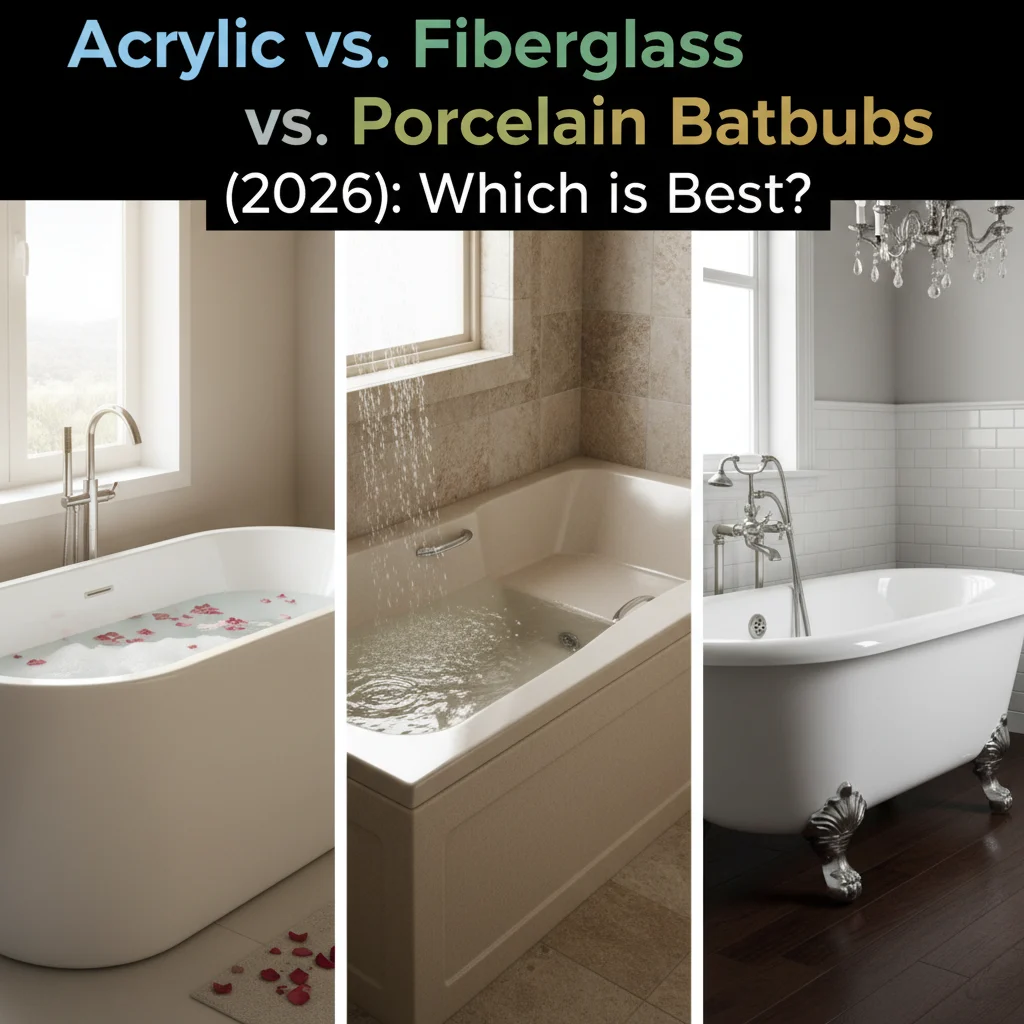
# Acrylic vs. Fiberglass vs. Porcelain Bathtubs (2026): Which is Best?
Choosing the right bathtub can feel overwhelming. With so many materials to consider – acrylic, fiberglass, and porcelain – how do you know which one is the best for your needs and budget? Don’t worry, you’re not alone. This comprehensive guide will break down the key differences between these popular bathtub materials, helping you make an informed decision that will leave you soaking in satisfaction (pun intended!). We’ll delve into durability, cleaning, weight, cost, and more, so you can select the perfect tub for your 2026 remodel or new build.
[Explore Top Rated bathtub acrylic vs fiberglass vs porcelain on Amazon.]
## What Makes Bathtub Material Choices So Important?
The material of your bathtub drastically affects its longevity, maintenance, and overall cost. Ignoring the differences can lead to expensive mistakes down the line. For example, a lightweight fiberglass tub might be tempting due to its low price, but it may not hold up well to daily use or resist scratches. Conversely, a beautiful porcelain tub might fit your aesthetic perfectly, but the weight and installation complexity might break the bank. Making an informed decision from the get-go is crucial. Let’s dive into the specifics.
[Explore Top Rated bathtub acrylic vs fiberglass vs porcelain on Amazon.]
## Acrylic Bathtubs: Durable, Versatile, and Warm
Acrylic bathtubs are crafted from sheets of acrylic that are vacuum-formed and reinforced with fiberglass. This combination results in a durable yet relatively lightweight tub that retains heat incredibly well.
### Key Advantages of Acrylic Bathtubs
* **Excellent Heat Retention:** Acrylic is known for maintaining water temperature longer than other materials. Relaxing in a warm bath will truly be a longer experience.
* **Durable and Impact Resistant:** Acrylic tubs are less prone to chipping or cracking compared to porcelain or fiberglass. Scratches happen, but are often repairable.
* **Lightweight:** Compared to cast iron or porcelain, acrylic tubs are significantly lighter, making them easier to install and ideal for upper-level bathrooms.
* **Versatile Designs and Styles:** Acrylic can be molded into a wide variety of shapes, sizes, and styles, offering more design flexibility. Oval, corner, and even the latest Japanese soaking tubs are available in acrylic.
* **Easy to Repair:** Minor scratches and imperfections can often be buffed out or repaired relatively easily.
### Potential Drawbacks of Acrylic Bathtubs
* **Can Be More Expensive Than Fiberglass:** While generally more affordable than cast iron, acrylic tubs tend to be pricier than fiberglass options.
* **May Require More Cleaning:** Although durable, acrylic can be susceptible to staining if not cleaned regularly with appropriate cleaners.
* **Can Feel Less Rigid:** Some people find acrylic tubs to have a slight “give” or flex under pressure, although this is generally unnoticeable in high-quality tubs.
### Recommended Acrylic Bathtub: American Standard Cambridge Alcove Bathtub
**Best For:** Standard-sized bathrooms needing a durable and reliable soaking tub.
**Key Features:** Made from Americast material, which is stronger than fiberglass. Features an integral apron and tiling flange for easy installation. Slip-resistant surface for safety.
**Why We Like It:** This specific bathtub provides the durability of cast iron with the lower weight and cost of an acrylic tub. American Standard is a well-known and respected brand in the bathroom fixture space.
[Explore Top Rated bathtub acrylic vs fiberglass vs porcelain on Amazon.]
## Fiberglass Bathtubs: Affordable and Lightweight
Fiberglass bathtubs, also known as fiberglass-reinforced plastic (FRP) tubs, are made from layers of fiberglass reinforced with resin. They are the most affordable option on the market and are favored for being lightweight.
### Key Advantages of Fiberglass Bathtubs
* **Most Affordable Option:** Fiberglass tubs are the least expensive bathtub material, making them a budget-friendly choice.
* **Extremely Lightweight:** The lightweight nature of fiberglass makes installation easy, especially in upper-story bathrooms or DIY projects.
* **Quick Installation:** Due to their light weight, fiberglass tubs are easy to maneuver and position.
* **Variety of Shapes:** Fiberglass can be molded into many shapes and sizes, offering a fair range of design options.
### Potential Drawbacks of Fiberglass Bathtubs
* **Least Durable:** Fiberglass bathtubs are more susceptible to scratches, cracks, and dents compared to other materials.
* **Poor Heat Retention:** Fiberglass doesn’t retain heat well, so baths will cool down quickly.
* **Can Flex Under Pressure:** Similar to lower-quality acrylic, fiberglass tubs can feel flimsy and flex under pressure, particularly in the base.
* **Shorter Lifespan:** Due to their lower durability, fiberglass tubs often need to be replaced sooner than acrylic or porcelain tubs.
* **Harder to Repair:** While possible, repairs can be more visible and difficult to blend in on fiberglass than on acrylic.
### Recommended Fiberglass Bathtub: Aquatic AVT6030L-WH Bathtub
**Best For:** Tight budgets and quick bathroom renovations.
**Key Features:** Constructed from durable fiberglass-reinforced plastic (FRP). Features a slip-resistant bottom. Alcove design for space-saving installation.
**Why We Like It:** This bathtub is lightweight and easy to install. If budget is your primary concern, this tub presents a decent, functional solution at the entry level.
[Explore Top Rated bathtub acrylic vs fiberglass vs porcelain on Amazon.]
## Porcelain Bathtubs: Classic Beauty and Timeless Appeal
Porcelain bathtubs are made from a cast iron or steel base coated with a layer of porcelain enamel. This results in a durable, classic-looking tub with excellent heat retention.
### Key Advantages of Porcelain Bathtubs
* **Extremely Durable:** Porcelain is a very hard and durable material that resists scratches, staining, and chemicals. Porcelain will last for decades if properly taken care of.
* **Excellent Heat Retention:** Cast iron and steel, underneath porcelain, are excellent at retaining heat, keeping bathwater warmer for longer.
* **Classic and Timeless Aesthetic:** Porcelain bathtubs offer a classic, elegant look that never goes out of style.
* **Easy to Clean:** The smooth, non-porous surface of porcelain makes it easy to clean and maintain.
* **Resistant to Most Chemicals:** Most household cleaners and chemicals will not damage porcelain, making cleaning easy.
### Potential Drawbacks of Porcelain Bathtubs
* **Very Heavy:** Porcelain tubs are extremely heavy, making installation challenging and potentially requiring floor reinforcement, especially in older homes.
* **Expensive:** Porcelain tubs are typically among the most expensive bathtub options.
* **Prone to Chipping:** While the surface is hard, porcelain can chip if struck with a heavy object. Chips are difficult and costly to repair. If the underlying metal rusts, it can cause further issues.
* **Limited Design Options:** Porcelain bathtubs are usually available in fewer shapes and sizes compared to acrylic or fiberglass.
### Recommended Porcelain Tub: Kohler Villager Enameled Cast Iron Bathtub
**Best For:** Homeowners seeking a durable, classic bathtub with excellent heat retention and design.
**Key Features:** Made from enameled cast iron for exceptional durability and heat retention. Features an integral apron and tiling flange for easy installation. Slip-resistant bottom for added safety.
**Why We Like It:** Kohler is a trusted brand. This tub combines a clean design, durable materials, and user-friendly features. The cast iron core makes for a high-quality product.
[Explore Top Rated bathtub acrylic vs fiberglass vs porcelain on Amazon.]
## Acrylic vs. Fiberglass vs. Porcelain: A Side-by-Side Comparison Table
| Feature | Acrylic | Fiberglass | Porcelain |
|———————–|——————————————|—————————————–|——————————————–|
| **Cost** | Moderate | Least Expensive | Most Expensive |
| **Durability** | Good | Least Durable | Excellent |
| **Weight** | Lightweight | Extremely Lightweight | Very Heavy |
| **Heat Retention** | Excellent | Poor | Excellent |
| **Design Options** | Wide Variety | Good Variety | Limited Variety |
| **Repairability** | Easy to Repair Scratches | Difficult to Repair Visibly | Difficult to Repair Chips |
| **Installation** | Relatively Easy | Easy | Challenging, Requires Professional Help |
| **Lifespan** | 10-15 years | 5-10 years | 25+ years |
| **Scratch Resistance**| Moderate | Low | High |
[Explore Top Rated bathtub acrylic vs fiberglass vs porcelain on Amazon.]
## Factors to Consider When Choosing Your Bathtub Material
Choosing the right bathtub material involves weighing several factors, including your budget, bathroom size, your design preferences, and how much maintenance you’re willing to undertake. Here’s a breakdown of the most important considerations:
* **Budget:** Fiberglass is the most budget-friendly option, followed by acrylic, and then porcelain.
* **Durability:** Porcelain offers the best durability, followed by acrylic. Fiberglass is the least durable.
* **Weight:** Consider the weight of the tub, especially if you are installing it on an upper floor. Fiberglass is the lightest, while porcelain is the heaviest.
* **Heat Retention:** If you enjoy long, hot soaks, consider acrylic or porcelain, which excel at heat retention. If you shower more often than taking baths, this may be less important.
* **Cleaning and Maintenance:** Porcelain is easy to clean and maintain, while acrylic may require more frequent cleaning to prevent staining. Fiberglass is prone to scratching, so be gentle when cleaning.
* **Style and Design:** Acrylic offers the widest range of design options, while porcelain has a more classic aesthetic. Fiberglass typically has fewer design possibilities.
* **Installation:** Fiberglass and acrylic tubs are generally easier to install than porcelain tubs.
### Pro-Tip: Reinforcing Your Bathroom Floor
If you are considering a porcelain or cast iron bathtub, and especially if you home is older, it’s worth looking into whether or not your floor needs reinforcement. These are extremely heavy, and could cause big problems down the road.
[Explore Top Rated bathtub acrylic vs fiberglass vs porcelain on Amazon.]
## Final Verdict: Which Bathtub Material is Best?
Ultimately, the “best” bathtub material depends on your individual needs and preferences. There is no single answer. If budget is a primary concern, fiberglass is a reasonable choice. However, if you’re looking for a balance of durability, heat retention, and design (most often the case), acrylic is nearly always the best option. If you want a timeless, durable, and high-end tub and have the budget and structural support, porcelain is a great investment. Consider the pros and cons of each material carefully before deciding which is right for you. Bath time is supposed to be relaxing, and you want the right tool for the job!
[Shop Budget-Friendly bathtub acrylic vs fiberglass vs porcelain on Amazon.]