[Check Latest Arrivals all purpose spray cleaner on Amazon.]
# All Purpose Spray Cleaner: The Ultimate Guide to Choosing the Best in 2026
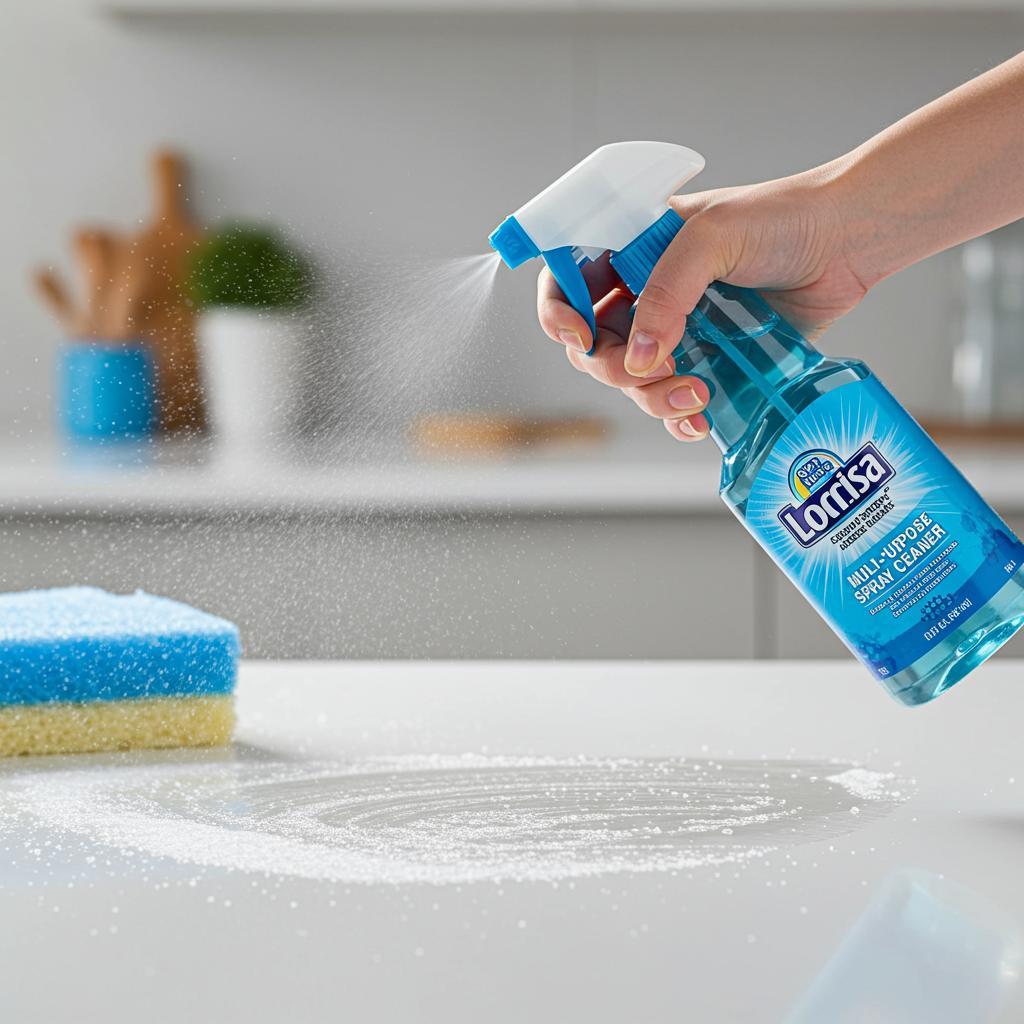
Keeping your home clean shouldn’t feel like a never-ending battle. In 2026, it’s all about efficiency, eco-consciousness, and finding the perfect all purpose spray cleaner that tackles grime without harsh chemicals or endless scrubbing. Choosing the right cleaner can be overwhelming with so many options available. Don’t worry, this guide breaks down the best all purpose spray cleaner options of 2026, helping you choose the perfect one for your needs – making cleaning faster, easier, and even a little bit enjoyable!
[Explore Top Rated all purpose spray cleaner on Amazon.]
## Top Picks Summary
| Cleaner | Best For | Key Feature |
|——————-|——————————|———————————————-|
| Puracy Natural All Purpose Cleaner | Eco-Conscious Homes | Plant-based formula, biodegradable |
| Method All-Purpose Cleaner | Everyday Cleaning | Variety of refreshing scents |
| Mr. Clean Clean Freak | Tough Grime & Grease | Powerful grease-cutting formula |
[Explore Top Rated all purpose spray cleaner on Amazon.]
## Detailed Reviews
### Puracy Natural All Purpose Cleaner
**Best For:** Eco-Conscious Homes
**Key Features:**
* Plant-based formula with no harsh chemicals.
* Biodegradable and safe for septic systems.
* Effective on various surfaces, including granite, stainless steel, and glass.
* Concentrated formula, offering excellent value.
**Why We Like It:**
Puracy Natural All Purpose Cleaner offers a brilliant balance of sustainability and cleaning power. It’s perfect for families with kids and pets, as it avoids harsh chemicals like sulfates, phosphates, and artificial fragrances. We love that it’s concentrated, reducing plastic waste and saving money in the long run. Its gentle formula is effective on multiple surfaces, making it a versatile and guilt-free cleaning solution.
### Method All-Purpose Cleaner
**Best For:** Everyday Cleaning
**Key Features:**
* Non-toxic and biodegradable formula.
* Available in various refreshing scents, such as Pink Grapefruit and Lavender.
* Effective for light cleaning tasks on most surfaces.
* Stylish and eco-friendly packaging.
**Why We Like It:**
Method All-Purpose Cleaner combines effectiveness with a delightful array of scents, transforming cleaning from a chore to a more pleasant experience. While it’s best for light cleaning, its non-toxic formula and stylish, sustainable packaging make it a great choice for those who want a cleaner that’s both effective and environmentally responsible. The variety of scents ensures that there’s something for everyone, making it easy to find a fragrance you’ll love.
### Mr. Clean Clean Freak
**Best For:** Tough Grime & Grease
**Key Features:**
* Powerful grease-cutting formula.
* Multi-surface use, including countertops, showers, and stovetops.
* Fine mist spray for even coverage.
* Leaves a fresh scent.
**Why We Like It:**
Mr. Clean Clean Freak is our go-to for tackling tough grime and grease. Its powerful formula cuts through stubborn messes with ease, saving time and effort. We appreciate the fine mist spray, which ensures even coverage and prevents streaks. While it’s a more potent cleaner, it’s perfect for those tough cleaning tasks that require a bit of extra muscle. This all purpose spray cleaner lives up to its name by cleaning all types of messes.
[Explore Top Rated all purpose spray cleaner on Amazon.]
## Buying Guide: What to Consider When Choosing an All Purpose Spray Cleaner
Choosing the right all purpose spray cleaner can feel daunting, but focusing on these key factors will simplify your decision. Here’s what to consider:
**1. Ingredients:**
* **Natural or Chemical:** The most significant decision is whether to opt for a natural or chemical-based cleaner.
* **Natural Cleaners:** These cleaners utilize plant-derived ingredients and avoid harsh chemicals like sulfates, phosphates, and artificial fragrances. They are safer for your family, pets, and the environment.
* **Chemical Cleaners:** These cleaners often contain stronger chemicals that offer powerful cleaning capabilities, particularly for tough stains and grease. They might not be the best choice for households with small children or pets, but are more budget-friendly.
* **Look for Specific Ingredients:**
* **Essential Oils:** Some cleaners use essential oils for fragrance and antimicrobial properties.
* **Enzymes:** Enzyme-based cleaners are excellent for breaking down stains and odors.
**2. Scent:**
* **Fragrance-Free:** If you’re sensitive to scents, fragrance-free options are available and ideal. These are also great for those who prefer a neutral cleaning experience.
* **Natural Scents:** Many natural cleaners use essential oils to create pleasant, subtle scents. Popular choices include lavender, lemon, and eucalyptus.
* **Artificial Scents:** Chemical cleaners often feature a wider variety of stronger, artificial scents that can last longer.
**3. Surface Compatibility:**
* **Multi-Surface Cleaners:** The best all purpose spray cleaner should be safe and effective on various surfaces, including countertops, stainless steel, glass, tile, and wood.
* **Specific Surface Cleaners:** Some cleaners are formulated for specific surfaces, like granite or wood. Always check the label to ensure compatibility before use. When in doubt, test a small, inconspicuous area first.
**4. Cleaning Power:**
* **Light Cleaning:** For everyday cleaning and light messes, a gentle, non-toxic cleaner is sufficient.
* **Heavy-Duty Cleaning:** For tougher stains, grease, and grime, you’ll need a more potent cleaner with stronger cleaning agents.
* **Consider your specific needs:** Evaluate the types of messes you typically deal with to determine the level of cleaning power you require.
**5. Packaging & Sustainability:**
* **Concentrated Formulas:** Concentrated cleaners reduce plastic waste and save money. Look for bottles that can be diluted with water.
* **Recycled Materials:** Choose cleaners packaged in recycled materials, such as PCR (post-consumer recycled) plastic.
* **Refill Options:** Some brands offer refill options, allowing you to reuse your spray bottle and further reduce plastic waste.
**6. Ease of Use:**
* **Spray Bottles:** The most common and convenient option, spray bottles provide easy and even distribution of the cleaner.
* **Wipes:** Cleaning wipes are convenient for quick cleanups but generate more waste.
* **Consider your cleaning style:** Choose a format that fits your cleaning habits and preferences.
**7. Price:**
* **Budget-Friendly:** Chemical cleaners are generally more affordable.
* **Mid-Range:** Many natural cleaners fall into the mid-range price point.
* **Premium:** Some specialty or ultra-concentrated formulas come at a premium price.
* **Compare prices:** Consider the cost per ounce or application to determine the best value.
By considering these factors, you can confidently choose the perfect all purpose spray cleaner for your home in 2026, ensuring a clean, healthy, and sustainable living environment.
[Explore Top Rated all purpose spray cleaner on Amazon.]
## Breaking Down the Ingredients in All Purpose Spray Cleaners
To truly understand what you’re using to clean your home, it’s crucial to delve into the ingredients commonly found in all purpose spray cleaner products. Understanding whether an ingredient is safe, efficient, and sustainable is important. We will look at the active and inactive ingredients and their functions.
### Active Ingredients
Active ingredients are the workhorses of any all purpose spray cleaner, responsible for breaking down dirt, grime, and other messes. These are a few ingredients found in cleaners:
* **Surfactants:** Surfactants are the most common active ingredients in all purpose spray cleaners. They work by reducing the surface tension between water and dirt, allowing the cleaner to lift and remove grime more effectively.
* **Anionic Surfactants:** These are excellent for removing oily and greasy soils. Common examples include sodium lauryl sulfate (SLS) and sodium laureth sulfate (SLES). *Some people may be sensitive to SLS, potentially causing skin irritation.*
* **Non-Ionic Surfactants:** These are gentler and effective at removing particulate soils, such as dust and dirt. Examples include alcohol ethoxylates and alkyl polyglucosides (APGs). *APGs are plant-derived and biodegradable, making them a sustainable choice.*
* **Amphoteric Surfactants:** These are mild and versatile, working well in various pH conditions. They are often used in cleaners designed for sensitive skin. An example is cocamidopropyl betaine. *It’s derived from coconut oil and enhances the foaming properties of the cleaner.*
* **Solvents:** Solvents dissolve or disperse dirt, grease, and grime, helping to lift them from surfaces.
* **Water:** The most common solvent is water, which acts as a carrier for the other ingredients. It’s environmentally friendly and non-toxic.
* **Alcohols:** Isopropyl alcohol (rubbing alcohol) and ethanol are effective solvents that can also help disinfect surfaces. *They evaporate quickly, leaving surfaces streak-free.*
* **Glycol Ethers:** These are powerful solvents capable of dissolving tough grease and grime. *However, some glycol ethers can be harmful and pose health risks, so they are generally avoided in eco-friendly cleaners.*
* **Acids and Bases:** Acids and bases adjust the pH of the cleaner to optimize its cleaning power and effectiveness.
* **Citric Acid:** A natural acid found in citrus fruits, citric acid helps to remove hard water stains, soap scum, and mineral deposits. *It’s biodegradable and safe for most surfaces.*
* **Acetic Acid:** This acid is known as vinegar, and is a natural acid known for cutting down on unwanted odors *Its strong odor can be offputting.*
* **Sodium Hydroxide:** Also known as lye, sodium hydroxide is a strong base used in some heavy-duty cleaners to dissolve grease and grime. *Using a highly concentrated cleaner with sodium hydroxide can cause burning.*
* **Antimicrobial Agents:** These agents kill or inhibit the growth of bacteria and other microorganisms, providing disinfecting properties.
* **Essential Oils:** Some essential oils, like tea tree, eucalyptus, and thyme, have natural antimicrobial properties. *They are biodegradable and safe for most surfaces.*
* **Quaternary Ammonium Compounds (Quats):** These are synthetic antimicrobial agents commonly found in disinfecting cleaners. *They are effective at killing bacteria and viruses, but can be irritating to the skin and respiratory system for some.*
* **Hydrogen Peroxide:** A natural disinfectant that breaks down into water and oxygen, hydrogen peroxide is effective at killing bacteria and viruses. *It is an irritant and can be harmful if ingested.*
* **Enzymes:** Enzymes are proteins that break down specific types of stains, such as protein-based or starch-based stains.
* **Proteases:** These enzymes break down protein stains, such as blood and food stains.
* **Amylases:** These enzymes break down starch stains, such as pasta sauce and rice.
* **Chelating Agents:** These enhance cleaning performance by neutralizing hard water minerals, which can interfere with the effectiveness of surfactants.
* **EDTA (Ethylenediaminetetraacetic Acid):** A synthetic chelating agent that binds to minerals and prevents them from interfering with the cleaning process. *Some environmental concerns link to EDTA due to its persistence in the environment.*
* **Citrates:** Natural chelating agents derived from citric acid, citrates are biodegradable and safe for most surfaces.*
### Inactive Ingredients
While inactive ingredients don’t directly contribute to the cleaning process, they play important roles in the formula’s stability, fragrance, and overall user experience.
* **Fragrances:**
* **Essential Oils:** Natural fragrances derived from plants, essential oils provide pleasant scents and can offer various health benefits.
* **Synthetic Fragrances:** Artificial fragrances that mimic natural scents or create unique fragrance profiles.
* **Preservatives:**
* **Phenoxyethanol:** A common preservative used to prevent the growth of bacteria and mold in the cleaner.
* **Potassium Sorbate:** A mild preservative derived from sorbic acid, potassium sorbate is effective at inhibiting the growth of fungi and yeast.
* **pH Adjusters:**
* **Citric Acid:** Used to lower the pH of the cleaner, making it more acidic and better at removing certain types of stains.
* **Sodium Hydroxide:** Used to raise the pH of the cleaner, making it more alkaline and better at dissolving grease and grime.
* **Colorants:**
* **Natural Dyes:** Derived from plants or minerals, natural dyes provide color without harsh chemicals.
* **Synthetic Dyes:** Artificial colorants that create vibrant and long-lasting colors.
* **Thickeners:**
* **Xanthan Gum:** A natural thickener derived from fermented corn, xanthan gum provides a smooth and consistent texture to the cleaner.
Understanding the functions and purposes of both active and inactive ingredients will allow you to make informed decisions about which all purpose spray cleaner is right for you, your family, and your home.
[Explore Top Rated all purpose spray cleaner on Amazon.]
## Conclusion
Choosing the best all purpose spray cleaner for 2026 is about balancing cleaning power with environmental considerations, safety, and your personal preferences. Whether you prioritize natural ingredients like those found in Puracy, the delightful scents of Method, or the robust grime-fighting power of Mr. Clean Clean Freak, there’s a perfect solution for every home. By considering the factors in this guide, you can confidently choose the best all purpose spray cleaner for a cleaner, healthier, and happier home. So, yes, you *can* find the ultimate all-purpose spray cleaner in 2026, and this guide makes the search a whole lot easier!
[Shop Budget-Friendly all purpose spray cleaner on Amazon.]