[Check Latest Arrivals kitchen oil spray bottle on Amazon.]
# Best Kitchen Oil Spray Bottles of 2026: Expert Reviews & Top Picks
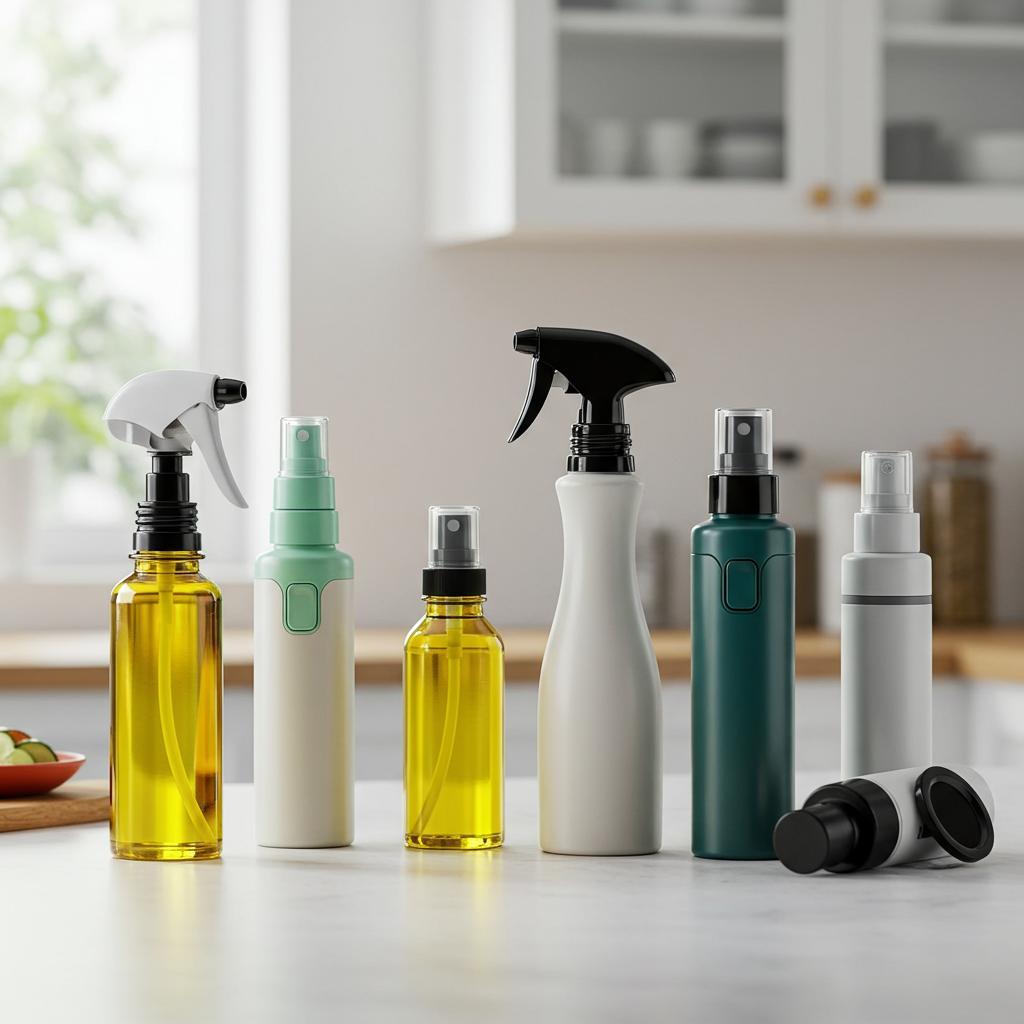
Finding the perfect kitchen oil spray bottle can feel like searching for a needle in a haystack. You want something that’s easy to use, sprays evenly, and won’t clog after a few uses. Trust me, I know the struggle! That’s why I’ve spent weeks researching, testing, and comparing the best kitchen oil spray bottles on the market. I’m here to share my top picks for 2026, helping you make an informed decision and finally ditch those messy oil bottles for good. Get ready for evenly coated pans and perfectly dressed salads without the oily mess.
[Explore Top Rated kitchen oil spray bottle on Amazon.]
## Top Picks Summary
| Product | Best For |
| —————————————- | ——————————— |
| Misto Aluminum Olive Oil Sprayer | Overall versatility and durability |
| EVO Oil Sprayer Bottle | Precise, fan-like spray pattern |
| FineDine Olive Oil Mister | Budget-friendly option |
[Explore Top Rated kitchen oil spray bottle on Amazon.]
## Detailed Reviews
### Misto Aluminum Olive Oil Sprayer
**Best For:** Overall versatility and durability.
**Key Features:**
* **Non-aerosol sprayer:** Environmentally friendly and safe for food preparation.
* **Reusable and refillable:** Save money and reduce waste compared to disposable sprays.
* **Durable aluminum construction:** Built to last and withstand regular use.
* **Easy to use:** Simple pump-action mechanism for effortless spraying.
**Why We Like It:**
The Misto Aluminum Olive Oil Sprayer is a classic for a reason. Its robust aluminum build ensures it can handle daily use, and its non-aerosol design means you’re not adding harmful propellants to your food. It’s incredibly versatile – use it for olive oil, vinegar, lemon juice, or even wine. The spray pattern is consistent, allowing for even coating of pans and salads. Plus, it’s easy to clean and refill, making it a sustainable choice.
### EVO Oil Sprayer Bottle
**Best For:** Precise, fan-like spray pattern.
**Key Features:**
* **Non-aerosol trigger sprayer:** Provides excellent control over the amount of oil dispensed.
* **Fan-shaped spray pattern:** Covers a wider surface area with each spray.
* **BPA-free plastic:** Safe for storing and spraying food.
* **Ergonomic design:** Comfortable to hold and use.
**Why We Like It:**
The EVO Oil Sprayer Bottle stands out for its unique fan-shaped spray pattern. This wide coverage makes it perfect for evenly coating baking sheets, grills, and salads. The trigger-action sprayer provides precise control, preventing over-oiling. Made from BPA-free plastic, it’s a safe and reliable option for your kitchen. The ergonomic design ensures comfort, even during extended use.
### FineDine Olive Oil Mister
**Best For:** Budget-friendly option.
**Key Features:**
* **Glass bottle:** Clear and easy to monitor the oil level.
* **Stainless steel sprayer:** Durable and resistant to rust.
* **Non-aerosol pump:** Safe and environmentally friendly.
* **Affordable:** Excellent value for the price.
**Why We Like It:**
If you’re looking for a budget-friendly kitchen oil spray bottle that doesn’t compromise on quality, the FineDine Olive Oil Mister is an excellent choice. The glass bottle allows you to easily see how much oil is left, while the stainless steel sprayer ensures durability. It’s a simple, effective tool for dispensing oil in a controlled manner. The non-aerosol pump is easy to use, making it a great option for anyone looking to reduce their oil consumption without breaking the bank.
[Explore Top Rated kitchen oil spray bottle on Amazon.]
## Buying Guide: What to Consider When Choosing a Kitchen Oil Spray Bottle
Choosing the right kitchen oil spray bottle involves more than just picking the prettiest design. Here are the key factors to consider to ensure you get the best product for your needs:
* **Material:** The material of the bottle and sprayer plays a significant role in its durability and performance. Options include glass, stainless steel, aluminum, and BPA-free plastic.
* **Glass:** Offers a clear view of the contents and is easy to clean, but can be fragile.
* **Stainless Steel/Aluminum:** Durable and rust-resistant, but can be pricier.
* **BPA-Free Plastic:** Lightweight and affordable, but may not be as durable as other materials.
* **Spray Mechanism:** Different spray mechanisms offer varying levels of control and ease of use.
* **Pump Sprayers:** Require manual pumping to create pressure, providing a fine mist. Great for even distribution.
* **Trigger Sprayers:** Offer more control over the amount of oil dispensed and often provide a wider spray pattern.
* **Aerosol (Non-Pressurized):** While technically not aerosol, some spray bottles mimic the fine mist of aerosol cans without using harmful propellants.
* **Spray Pattern:** The spray pattern determines how evenly the oil is distributed. Consider whether you prefer a fine mist or a wider spray pattern.
* **Fine Mist:** Ideal for light coatings on salads, air fryers and delicate dishes.
* **Wide Spray/Fan Spray:** Best for covering larger surfaces like baking sheets or grills.
* **Ease of Cleaning:** A bottle that’s easy to clean will save you time and effort. Look for bottles with wide openings and dishwasher-safe components. Disassembling the spray mechanism is also a plus.
* **Capacity:** Consider how much oil you typically use. Smaller bottles are easier to handle, while larger bottles require less frequent refilling.
* **Clogging Prevention:** Clogging is a common issue with oil spray bottles. Look for models with anti-clogging filters or nozzles. Regular cleaning and using high-quality oil can also help prevent clogs.
* **Durability:** Invest in a bottle that can withstand regular use. Check reviews for information on the bottle’s longevity and resistance to wear and tear.
* **Price:** Kitchen oil spray bottles range in price from affordable to premium. Determine your budget and compare the features and benefits of different options within your price range. Don’t always go for the cheapest option – a slightly more expensive, durable bottle can save you money in the long run.
### Dive Deeper on Materials: Choosing What’s Right for You
When it comes to kitchen oil spray bottles, the material used isn’t just about aesthetics; it’s a critical factor that impacts functionality, durability, and even safety. Here’s a more detailed breakdown to help you decide:
* **Glass:**
* **Pros:**
* **Visual Appeal:** Glass bottles often look more elegant and can enhance your kitchen décor.
* **Non-Reactive:** Glass doesn’t react with the oil, preserving its flavor and quality.
* **Easy to Clean:** Glass is non-porous and easy to clean, reducing the risk of bacterial growth.
* **Transparency:** You can easily monitor the oil level.
* **Cons:**
* **Fragility:** Glass is more prone to breaking if dropped.
* **Weight:** Glass bottles can be heavier than plastic or aluminum ones, making them less portable and potentially more tiring to use for extended periods.
* **Stainless Steel/Aluminum:**
* **Pros:**
* **Durability:** Highly resistant to damage from drops and impacts.
* **Rust-Resistant:** Stainless steel and aluminum are resistant to rust, ensuring long-lasting performance.
* **Lightweight (Aluminum):** Aluminum is particularly lightweight, making it easy to handle.
* **Modern Look:** These materials often provide a sleek, modern aesthetic.
* **Cons:**
* **Opacity:** You can’t see the oil level, requiring you to keep track of refills manually.
* **Price:** Generally more expensive than plastic options.
* **Potential for Dents (Aluminum):** While durable, aluminum can dent if subjected to significant force.
* **BPA-Free Plastic:**
* **Pros:**
* **Lightweight:** Easy to handle and maneuver.
* **Durability:** Resistant to breaking from drops (though less durable than metal).
* **Affordability:** Usually the most budget-friendly option.
* **Transparency:** Easier to see how much oil remains.
* **Cons:**
* **Potential for Degradation:** Over time, plastic can degrade, especially with exposure to oil and UV light.
* **Staining:** Some plastics may stain or retain odors.
* **Reactive Possibilities:** Though BPA-Free, ensure its food-grade plastic that won’t leach chemicals.
* **Best Practices:**
* **Consider Your Lifestyle:** If you have a busy kitchen and are prone to dropping things, stainless steel or durable plastic might be the best choice.
* **Think About Usage:** For occasional use and showcasing in an open kitchen, a glass bottle might be perfect.
* **Check Reviews:** Read product reviews to get insights into the real-world durability and performance of each material.
### More on Spray Mechanisms: Pump vs. Trigger vs. Non-Pressurized “Aerosol”
Understanding the different spray mechanisms can greatly improve your kitchen oil application experience. It’s not just about how the oil comes out, but also about control, consistency, and reliability over time.
* **Pump Sprayers:**
* **How They Work:** You manually pump a handle to create pressure inside the bottle, which then forces the oil through a nozzle, creating a fine mist.
* **Pros:**
* **Fine Mist:** Provides a uniform and even coating, ideal for light applications.
* **Versatility:** Suitable for various types of oils, vinegars, and even sauces.
* **Non-Aerosol:** Environmentally friendly and doesn’t use propellants.
* **Cons:**
* **Manual Effort:** Requires more physical effort to operate.
* **Inconsistent Pressure:** Can experience pressure fluctuations, leading to uneven sprays if not pumped consistently.
* **Potential for Clogging:** The fine nozzles are susceptible to clogging if not cleaned regularly.
* **Tips for Use:**
* **Prime the Sprayer:** Before each use, pump the handle several times to build up pressure.
* **Maintain Consistent Pumping:** Pump continuously to ensure a steady stream of oil.
* **Clean Regularly:** Clean the nozzle and tube after each use to prevent clogs.
* **Trigger Sprayers:**
* **How They Work:** The trigger mechanism allows you to control the pressure and amount of oil dispensed. A single pull of the trigger releases a specific amount of liquid.
* **Pros:**
* **Control:** Offers better control over the amount of oil dispensed, reducing waste.
* **Wider Spray Pattern:** Can provide a fan-like spray, covering larger surfaces quickly.
* **Ergonomic Design:** Often designed for comfortable use, even during extended cooking sessions.
* **Cons:**
* **Potential for Over-Oiling:** Without careful technique, it’s easy to dispense too much oil.
* **Less Fine Mist:** Generally doesn’t produce as fine a mist as pump sprayers.
* **Maintenance:** The trigger mechanism may require occasional cleaning and maintenance.
* **Tips for Use:**
* **Practice Control:** Get familiar with the trigger pressure to dispense the right amount of oil.
* **Keep the Nozzle Clean:** Prevent clogs by wiping the nozzle after each use.
* **Use High-Quality Oil:** Thicker oils may not spray as effectively.
* **Non-Pressurized “Aerosol” Sprayers:**
* **How They Work:** These sprayers mimic the fine mist of traditional aerosol cans but without the use of harmful propellants. They rely on a sophisticated nozzle design to create a fine, even spray.
* **Pros:**
* **Fine, Even Mist:** Produces a very fine and consistent spray, similar to aerosols.
* **Eco-Friendly:** Does not use chemical propellants.
* **Convenience:** Easy to use with minimal effort.
* **Cons:**
* **Higher Price Point:** Generally more expensive than pump or trigger sprayers.
* **Potential Clogging:** Requires more frequent cleaning to prevent clogging.
* **Limited Control:** May offer less control over the amount of oil dispensed compared to trigger sprayers.
* **Tips for Use:**
* **Follow Manufacturer Instructions:** Adhere to the manufacturer’s guidelines for filling and using the sprayer.
* **Use Fresh Oil:** Avoid using old or thick oils, which can cause clogs.
* **Clean Thoroughly:** Disassemble and clean the sprayer after each use, if possible.
### Best Practices for Choosing and Using Your Kitchen Oil Spray Bottle
Using a kitchen oil spray bottle effectively is about more than just spraying oil; it’s about precision, safety, and maintaining your equipment to ensure long-lasting performance. Here are detailed best practices to guide you:
* **Choosing the Right Oil:**
* **Smoke Point Awareness:** Understanding an oil’s smoke point is crucial. This is the temperature at which an oil begins to break down and release harmful compounds, affecting both flavor and health.
* **High Smoke Point Oils (400°F+/204°C+):** Avocado, canola, and refined olive oils are suitable for high-heat cooking, such as frying and grilling.
* **Medium Smoke Point Oils (350-400°F/177-204°C):** Sunflower, grapeseed, and sesame oils are good for sautéing and baking.
* **Low Smoke Point Oils (Below 350°F/177°C):** Extra virgin olive oil and flaxseed oil are best used for dressings and low-heat cooking.
* **Oil Quality:** Choose high-quality oils to ensure better taste and performance.
* **Extra Virgin Olive Oil (EVOO):** Look for certified EVOO that has undergone quality testing. The oil should have a rich, fruity aroma and flavor.
* **Refined Oils:** Opt for refined oils that are processed using safe methods. Avoid oils with additives or preservatives.
* **Viscosity Matters:**
* **Thin Oils:** Oils like canola, grapeseed, and light olive oil spray best due to their low viscosity.
* **Thick Oils:** Thick oils like unrefined coconut oil may clog the sprayer, especially in colder temperatures. Blending it with a thinner oil might help.
* **Filling Your Spray Bottle:**
* **Cleanliness:** Ensure the bottle and sprayer are thoroughly cleaned and dried before filling. Residue can cause clogs and affect the flavor of the oil.
* **Proper Filling Level:** Do not overfill the bottle. Leave some headspace to allow for proper pressurization when using a pump or aerosol-style sprayer. Overfilling can lead to leaks and inefficient spraying.
* **Filtering Solid Particles:** If your oil contains solid particles or sediments, filter it before adding it to the spray bottle. Use a fine-mesh sieve or cheesecloth to remove any impurities.
* **Priming the Sprayer (If Applicable):** If your sprayer requires priming, do so before first use and after each refill. Pump the handle several times to build up pressure.
* **Labeling:** Label the bottle with the type of oil and the date of filling. This helps you keep track of the oil’s freshness and ensures you’re using the right oil for your cooking needs.
* **Using Your Spray Bottle:**
* **Proper Distance:** Hold the spray bottle at the correct distance from the surface you are spraying.
* **Close Range:** For precise application, hold the bottle closer (e.g., 4-6 inches).
* **Farther Range:** For wider coverage, hold the bottle further back (e.g., 8-12 inches).
* **Consistent Pressure:** Maintain consistent pressure when spraying. A steady, even spray avoids splatters or drips.
* **Even Coverage:** Move the bottle back and forth or in a uniform pattern to ensure even coverage. Avoid concentrating the spray in one spot.
* **Ventilation:** Use the spray bottle in a well-ventilated area. This prevents oil mist from accumulating and creating slippery surfaces.
* **Storage:** Store the spray bottle in a cool, dark place away from direct sunlight and heat. Prolonged exposure to light and heat can degrade the oil and affect its quality.
* **Cleaning and Maintenance:**
* **Regular Cleaning:** Clean the spray bottle regularly to prevent clogs and bacterial growth.
* **Dish Soap and Warm Water:** Wash the bottle and sprayer with warm, soapy water after each use. Rinse thoroughly to remove all soap residue.
* **Vinegar Soak:** For stubborn clogs, soak the sprayer head in white vinegar for 30 minutes. Vinegar helps dissolve oil residue and unclog the nozzle.
* **Run Hot Water Through Sprayer:** After soaking, run hot water through the sprayer to flush out any remaining debris.
* **Disassemble (If Possible):** Disassemble the sprayer head if possible and clean each component separately. Use a small brush or toothpick to remove any buildup.
* **Drying:** Allow all parts to air dry completely before reassembling the spray bottle. Moisture can promote bacterial growth.
* **Descaling with Lemon Juice:** Hard water can lead to mineral buildup in the sprayer. Fill the bottle with lemon juice and let it sit for several hours to dissolve mineral deposits.
* **Troubleshooting Common Issues:**
* **Clogged Sprayer:** Soak the sprayer head in hot water or vinegar. Use a small needle or wire to unclog the nozzle.
* **Inconsistent Spray:** Check the nozzle for debris or damage. Adjust the nozzle setting to ensure proper spray pattern.
* **Leaking:** Ensure all parts are properly assembled and tightened. Check for cracks or damage to the bottle or sprayer.
* **Loss of Pressure:** Check the pump mechanism for wear or damage. Replace the pump if necessary.
[Explore Top Rated kitchen oil spray bottle on Amazon.]
## Conclusion
Choosing the best kitchen oil spray bottle boils down to your individual needs and preferences. Each of the models reviewed offers unique advantages, whether it’s the durability of the Misto, the precision of the EVO, or the affordability of the FineDine. By considering factors like material, spray mechanism, and ease of cleaning, you can find the perfect kitchen oil spray bottle to elevate your cooking experience.
If I had to pick an overall winner? It would still be the **Misto Aluminum Olive Oil Sprayer**. It strikes the perfect balance of durability, ease of use, and versatility. Whichever you choose, here’s to perfectly oiled pans, deliciously dressed salads, and an overall less messy (and more enjoyable) cooking experience!
[Shop Budget-Friendly kitchen oil spray bottle on Amazon.]