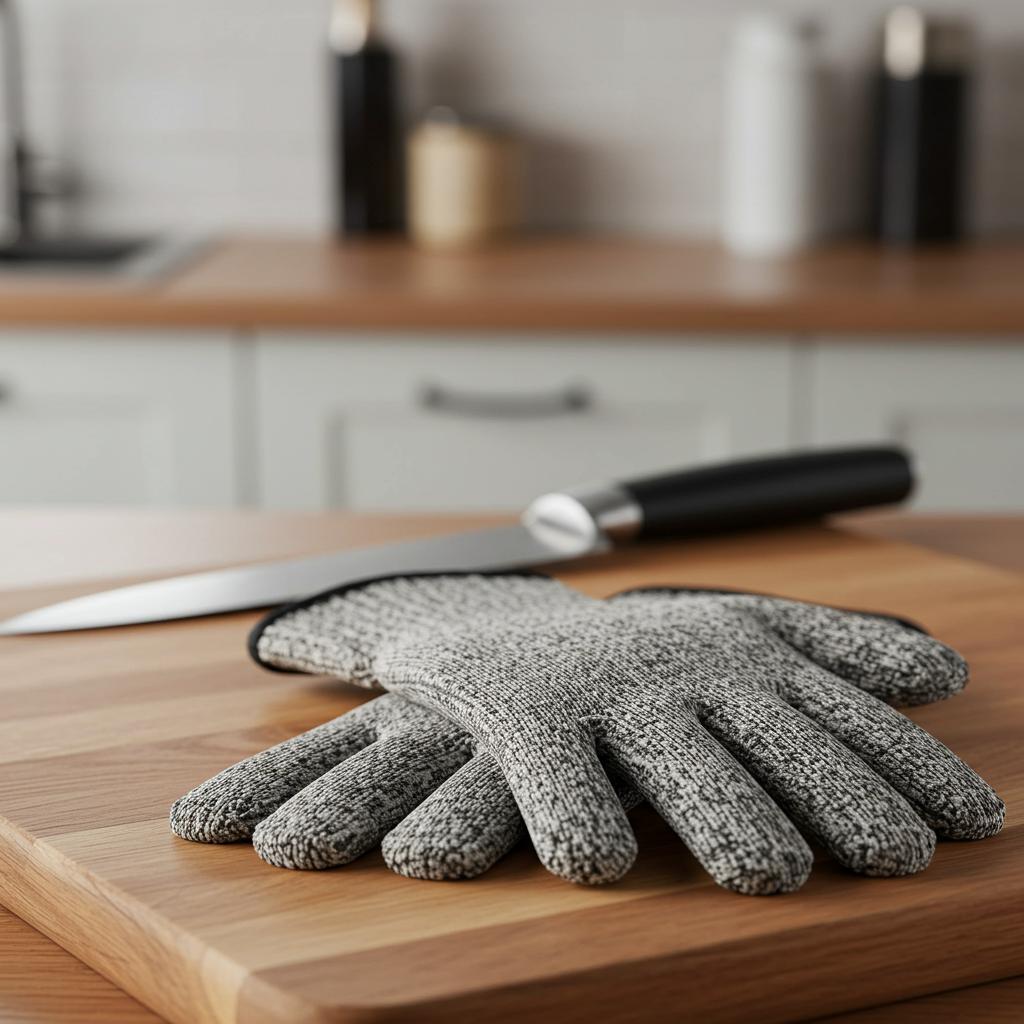
[Check Latest Arrivals cut resistant gloves for the kitchen on Amazon.]
# Cut Resistant Gloves for the Kitchen: Are You *Really* Protected?
Let’s face it, that chef-like speed in the kitchen comes with a risk. A slip of the knife, a moment of distraction, and bam – you’re reaching for the bandages. We’ve all been there (or know someone who has!). But are those flimsy kitchen gloves *really* keeping your fingers safe?
This article dives deep into the world of cut resistant gloves for the kitchen. We’ll explore the reality of kitchen safety, what level of protection you actually need, and separate fact from fiction when it comes to keeping your hands intact. Because let’s be honest, you can’t julienne vegetables with a bandage on your thumb.
[Explore Top Rated cut resistant gloves for the kitchen on Amazon.]
## The Reality of Kitchen Cuts: It Happens More Than You Think
Think about it. How often are you working with sharp knives, mandolines, graters, or even vegetable peelers? Even professional chefs, who wield knives like extensions of their hands, experience cuts. For the average home cook, who’s juggling multiple tasks and distractions, the risk is even higher.
And it’s not just the big accidents. Those little nicks and scrapes add up. They’re annoying, they sting, and they can quickly derail your cooking mojo. And that’s where cut resistant gloves come in. But are they all created equal? Absolutely not.
[Explore Top Rated cut resistant gloves for the kitchen on Amazon.]
## The Solution: Cut Resistant Gloves for the Kitchen – A Shield for Your Skills
Cut resistant gloves for the kitchen aren’t just a nice-to-have; they’re a serious investment in your safety and your enjoyment of cooking. Think of them as an extra layer of skin, a safety net that allows you to focus on your culinary creations without constantly worrying about slicing a fingertip.
But what makes them so effective? It’s all about the materials and the construction. High-performance materials like HPPE (High-Performance Polyethylene), fiberglass, and stainless steel threads are woven together to create a barrier that can withstand significant cutting force.
Here’s how they work:
* **Dissipation of Force:** The tight weave of the material helps to distribute the force of the blade across a wider area, reducing the pressure on any single point.
* **Abrasion Resistance:** The tough fibers resist being cut through, even when subjected to repeated scraping or slicing motions.
* **Comfort and Dexterity:** Modern cut resistant gloves are designed to be comfortable and flexible, allowing for precise movements and a good grip on your knives. You’re not going to find yourself fumbling around like you are wearing bulky winter mittens.
### Product Recommendation: NoCry Cut Resistant Gloves – Level 5 Protection
If you’re looking for a reliable and comfortable pair of cut resistant gloves, the NoCry Cut Resistant Gloves are a solid choice. These gloves offer Level 5 cut protection, meeting the EN 388 standard. This means they can withstand a significant amount of force without being cut through.
* **Key Features:**
* **Level 5 Cut Resistance:** Provides a high level of protection against sharp blades.
* **Breathable and Lightweight:** Comfortable to wear for extended periods.
* **Food Grade and Machine Washable:** Easy to clean and maintain.
* **Ambidextrous Design:** Can be worn on either hand.
These gloves are not only safe but also practical. They’re lightweight and breathable, so your hands won’t get sweaty, and they’re easy to clean. Plus, the ambidextrous design means you don’t have to worry about keeping track of which glove goes on which hand.
[Explore Top Rated cut resistant gloves for the kitchen on Amazon.]
## What to Look For in Cut Resistant Gloves for the Kitchen: A Buyer’s Guide
Choosing the right cut resistant gloves can be overwhelming. There are so many options on the market, each claiming to offer the best protection. Here’s a breakdown of the key factors to consider:
* **Cut Resistance Level:** This is the most important factor. Look for gloves that meet the EN 388 standard, which is an international standard for protective gloves. Level 5 offers the highest level of protection. ANSI standards are also common, with A1-A9 being the cut level. A9 is the highest level of protection here.
* **Material:** The material of the gloves affects their cut resistance, comfort, and durability. HPPE, fiberglass, and stainless steel threads are all good options.
* **Fit and Comfort:** Gloves that are too loose or too tight can be uncomfortable and even dangerous. Make sure to choose gloves that fit snugly but allow for a full range of motion.
* **Grip:** A good grip is essential for safe knife handling. Look for gloves with a textured surface or a coating that provides extra grip.
* **Cleanliness:** Choose gloves that are easy to clean and maintain. Many cut resistant gloves are machine washable.
* **Intended Use:** Consider the specific tasks you’ll be using the gloves for. If you’re primarily chopping vegetables, thinner, more flexible gloves may be sufficient. If you’re working with very sharp knives or power tools, you’ll need gloves with a higher cut resistance level.
[Explore Top Rated cut resistant gloves for the kitchen on Amazon.]
## Addressing the Doubts: Common Concerns About Cut Resistant Gloves
Naturally, you might have some questions or concerns about using cut resistant gloves. Let’s tackle a few of the most common ones:
* **Will I still be able to feel what I’m doing?** This is a valid concern. Some cut resistant gloves can feel bulky and clumsy. However, modern gloves are designed to be relatively thin and flexible. Look for gloves that are specifically designed for kitchen use and that offer a good balance between protection and dexterity.
* **Won’t they get dirty and gross?** Yes, they will. But most cut resistant gloves are machine washable. Just toss them in the washing machine with your other kitchen towels, and they’ll be good as new.
* **Are they really necessary?** If you value your fingers, then yes, they are. A cut resistant gloves for the kitchen are a simple and effective way to prevent serious injuries in the kitchen.
* **What is Level 5 Cut Resistance?** This relates to the EN 388 standard (European) for gloves, where the gloves went through a test that involves a blade moving across the material until it cuts through at a specific point. Level 5 is the highest level of protection.
* **Won’t using gloves make me complacent and more likely to have an accident?** The thinking here is valid, but incorrect. Using gloves that are cut resistant should give you more peace of mind, not make you complacent. Still be careful, as gloves aren’t the best means to protect you.
[Explore Top Rated cut resistant gloves for the kitchen on Amazon.]
## Final Verdict: Are Cut Resistant Gloves for the Kitchen *Really* Protecting You?
The answer is a resounding **YES**, *if* you choose the right gloves and use them correctly. Cut resistant gloves for the kitchen aren’t a magic bullet, but they significantly reduce your risk of injury. They’re a valuable tool for any home cook or professional chef who wants to protect their hands and enjoy cooking without fear.
By investing in a quality pair of cut resistant gloves, you’re investing in your safety, your confidence, and your ability to continue creating delicious meals for yourself and your loved ones. So go ahead, slice and dice with peace of mind! Remember to prioritize safety in the kitchen.
[Shop Budget-Friendly cut resistant gloves for the kitchen on Amazon.]