[Check Latest Arrivals toilet bowl caulk on Amazon.]
# How to Caulk a Toilet Bowl Like a Pro: Easy Steps & Expert Tips
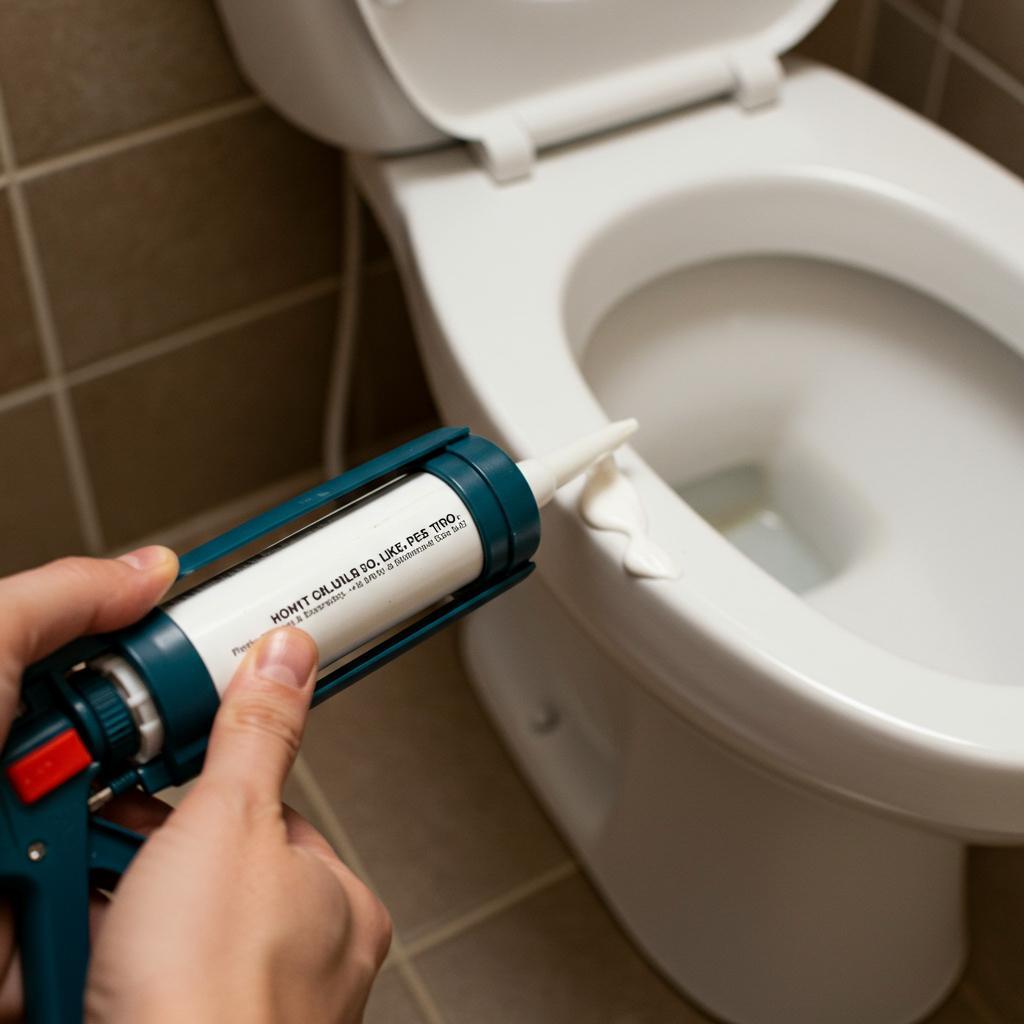
So, you’re ready to caulk your toilet bowl like a seasoned pro? Excellent! Caulking a toilet bowl might seem like a small task, but it’s crucial for preventing leaks, mold growth, and maintaining a clean, finished look in your bathroom. Plus, with a little know-how, it’s a surprisingly simple DIY project. This guide will walk you through each step with expert tips to achieve a professional result. Let’s get started!
[Explore Top Rated toilet bowl caulk on Amazon.]
## Step-by-Step Guide to Caulking Your Toilet Bowl
Here’s a comprehensive, easy-to-follow guide to caulking your toilet bowl:
### Step 1: Gather Your Supplies
Before you begin, make sure you have all the necessary tools and materials. This will streamline the process and prevent interruptions. Here’s what you’ll need:
* **Caulk:** 100% silicone caulk is your best bet for a toilet bowl. Look for a product that is mold-resistant and waterproof.
* **Caulk Gun:** A standard caulk gun to dispense the caulk smoothly and evenly.
* **Caulk Remover Tool (Optional):** If you’re removing old caulk, this tool makes the job much easier.
* **Utility Knife or Razor Blade:** For scoring and removing old caulk.
* **Scraper:** To scrape away any remaining caulk residue.
* **Clean Rags or Paper Towels:** For wiping surfaces and cleaning up excess caulk.
* **Rubbing Alcohol:** For cleaning surfaces before applying new caulk. This helps the caulk adhere properly.
* **Spray Bottle with Water (Optional):** For smoothing the caulk bead after application.
* **Gloves:** To protect your hands.
* **Trash Bag:** For disposing of old caulk.
### Step 2: Prepare the Area
Proper preparation is key to a professional-looking caulk job. Cleaning and removing old caulk ensures that the new caulk will adhere properly and create a waterproof seal.
1. **Turn off the Water Supply:** This is a precaution, but a good one. Locate the water shut-off valve for the toilet (usually behind the toilet or near the wall) and turn it off. Flush the toilet to empty the bowl.
2. **Remove the Old Caulk:** If there’s existing caulk, you’ll need to remove it. Use a utility knife or razor blade to score along the edges of the old caulk. Be careful not to scratch the toilet or the floor.
3. **Scrape Away Residue:** Use a scraper or caulk remover tool to carefully remove the old caulk. A caulk remover tool can make this process faster and easier.
4. **Clean the Surface:** Once the old caulk is removed, clean the area thoroughly with rubbing alcohol. This will remove any dirt, grime, or mildew that could interfere with the new caulk’s adhesion. Let the area dry completely before proceeding.
### Step 3: Load the Caulk Gun
Loading the caulk gun correctly is essential for smooth and consistent application.
1. **Prepare the Caulk Tube:** Cut the tip of the caulk tube at a 45-degree angle using a utility knife. The size of the opening will determine the width of the caulk bead. Start small; you can always make it larger.
2. **Puncture the Seal:** Use a long nail or wire to puncture the inner seal of the caulk tube. This allows the caulk to flow freely.
3. **Load the Tube:** Retract the plunger of the caulk gun, insert the caulk tube, and push the plunger back until it fits snugly against the tube’s base.
### Step 4: Apply the Caulk
Now comes the moment you’ve been waiting for! Applying the caulk takes a little practice, but with a steady hand, you can achieve a professional-looking finish.
1. **Position the Nozzle:** Place the nozzle of the caulk tube at a 45-degree angle to the joint between the toilet bowl and the floor.
2. **Apply Even Pressure:** Squeeze the trigger of the caulk gun to apply a consistent bead of caulk. Move the gun slowly and steadily along the joint, maintaining a consistent speed and pressure.
3. **Avoid Gaps and Overlaps:** Aim for a smooth, continuous bead without gaps or overlaps. If you make a mistake, don’t worry; you can smooth it out in the next step.
### Step 5: Smooth the Caulk
Smoothing the caulk immediately after application is crucial for a professional finish. This also ensures a watertight seal.
1. **Use a Wet Finger or Tool:** Dip your finger in water (or use a specialized caulk smoothing tool). Lightly run your finger (or the tool) along the caulk bead to smooth it out. The water helps prevent the caulk from sticking to your finger.
2. **Wipe Away Excess:** Wipe off any excess caulk from your finger (or the tool) with a clean rag or paper towel.
3. **Repeat as Necessary:** Repeat the smoothing process until you achieve a smooth, even finish.
4. **Inspect for Gaps:** Carefully inspect the caulk bead for any gaps or imperfections. If you find any, apply a small amount of additional caulk and smooth it out.
### Step 6: Clean Up
Once you’re satisfied with the caulk job, clean up any remaining mess.
1. **Remove Excess Caulk:** Use a damp rag to wipe away any excess caulk from the toilet, floor, or surrounding areas.
2. **Dispose of Materials:** Dispose of the used caulk tube, rags, and other materials in a trash bag.
3. **Let it Cure:** Allow the caulk to cure completely before using the toilet. Check the caulk manufacturer’s instructions for the recommended curing time (usually 24-48 hours).
[Explore Top Rated toilet bowl caulk on Amazon.]
## Tools for the Job
Choosing the right tools can significantly improve your caulking experience and the final result. Here are two product recommendations that will make the process easier:
1. **GE Silicone 1 Kitchen & Bath Silicone Caulk:** This 100% silicone caulk is specifically formulated for kitchen and bathroom applications. Its key features include:
* **Mold and Mildew Resistance:** It’s treated with a fungicide to prevent mold and mildew growth, making it ideal for damp environments like bathrooms.
* **Waterproof Seal:** It provides a durable, waterproof seal that prevents leaks and protects against water damage.
* **Flexibility:** It remains flexible and crack-resistant, even with temperature and humidity changes.
* **Why We Recommend It:** The GE Silicone 1 Kitchen & Bath Silicone Caulk offers superior protection against mold and mildew, ensuring a long-lasting and hygienic seal around your toilet bowl. Its flexibility and waterproof properties make it a reliable choice for preventing leaks and water damage. You can find it on Amazon for a reasonable price.
2. **Red Devil 0825 Onetime Fill and Caulk, 5.5 oz, White:** This product offers a unique solution for those looking for an easy-to-apply and fast-drying caulk. Its key features include:
* **Easy Application:** This caulk is known for its smooth and easy application, making it suitable for both beginners and experienced DIYers.
* **Fast Drying:** It dries quickly, reducing the downtime required before using the toilet.
* **Paintable:** It can be painted over, allowing you to match the caulk to your bathroom decor seamlessly.
* **Why We Recommend It:** The Red Devil Onetime Fill and Caulk is an excellent choice for those who want a quick and easy caulking solution. Its fast-drying and paintable properties make it a convenient option for various bathroom projects. Its smooth application ensures a professional-looking finish. While it may not have the same level of mold resistance as 100% silicone caulk, it’s still a good choice for areas with low moisture. Search for it on Amazon to check prices and availability.
[Explore Top Rated toilet bowl caulk on Amazon.]
## Pro-Tips and FAQs
Here are some pro-tips and frequently asked questions to help you master the art of caulking:
* **Pro-Tip 1:** To prevent the caulk tube from drying out between uses, insert a nail or screw into the nozzle opening.
* **Pro-Tip 2:** Use painter’s tape to create clean lines before applying the caulk. Remove the tape immediately after smoothing the caulk.
* **Pro-Tip 3:** If you’re having trouble removing old caulk, try using a heat gun or hair dryer to soften it.
* **FAQ 1: How often should I recaulk my toilet bowl?**
* A: You should recaulk your toilet bowl every 2-3 years, or as soon as you notice any cracks, gaps, or signs of mold growth.
* **FAQ 2: Can I use any type of caulk for my toilet bowl?**
* A: No, it’s best to use 100% silicone caulk that is specifically formulated for bathroom applications. This type of caulk is mold-resistant and waterproof.
* **FAQ 3: What if I get caulk on my clothes or skin?**
* A: Remove the caulk as soon as possible. Use a clean rag or paper towel to wipe off the excess caulk. If the caulk has dried, you may need to use a solvent such as mineral spirits or acetone to remove it.
[Explore Top Rated toilet bowl caulk on Amazon.]
## Encouraging Conclusion
Congratulations! You’ve successfully learned how to caulk your toilet bowl like a pro. By following these easy steps and expert tips, you can achieve a professional-looking finish that will protect your bathroom from leaks, mold, and water damage. Remember, practice makes perfect, so don’t be afraid to experiment and refine your technique. With a little patience and attention to detail, you can transform your bathroom into a clean, hygienic, and beautiful space. Now go forth and caulk with confidence!
[Shop Budget-Friendly toilet bowl caulk on Amazon.]