[Check Latest Arrivals stained glass spray paint on Amazon.]
# Stained Glass Spray Paint: Create Stunning Effects in Minutes!
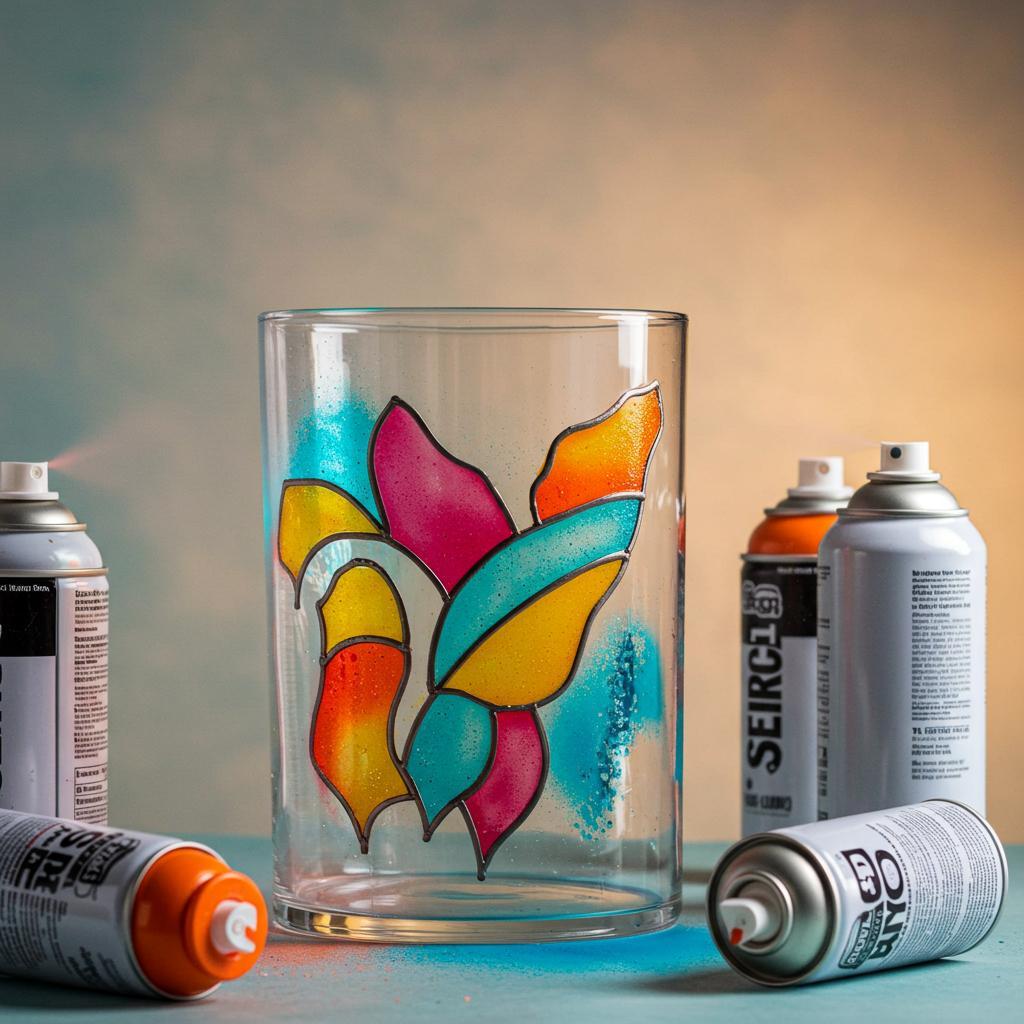
Want to add a touch of artistic elegance to your home without the hassle of traditional stained glass? Then you’ve come to the right place! Stained glass spray paint is your secret weapon for transforming plain glass surfaces into vibrant, eye-catching masterpieces in mere minutes.
This guide will show you how easy it is to achieve stunning results with this versatile product, whether you’re upcycling old bottles, adding character to windows, or creating unique decorative items. Get ready to unlock your creativity and add a splash of color and sophistication to your surroundings!
[Explore Top Rated stained glass spray paint on Amazon.]
## Step-by-Step Guide to Stunning Stained Glass Effects with Spray Paint
Here’s a step-by-step guide to achieve professional quality stained glass effects with spray paint. We will cover surface preparation, application techniques, and finishing touches for a truly stunning outcome.
### Step 1: Gather Your Supplies
Before you start, make sure you have everything you need. This will streamline the process and prevent any last-minute scrambles. Here’s a list of essential supplies:
* **Stained Glass Spray Paint:** Choose your desired colors. Remember to select paints compatible with glass.
* **Glass Cleaner:** For thorough surface preparation.
* **Lint-Free Cloths:** For cleaning and wiping.
* **Painter’s Tape:** To mask off areas and create clean lines.
* **Craft Knife or Scalpel:** For precise trimming of tape.
* **Newspaper or Drop Cloth:** To protect your work area.
* **Gloves:** To protect your hands from the paint.
* **Respirator or Mask:** To avoid inhaling fumes.
* **Well-Ventilated Area:** Essential for safety.
* **Optional: Stencils:** For creating intricate designs.
* **Optional: Clear Protective Coating:** To enhance durability and protect the painted surface.
### Step 2: Prepare the Glass Surface
Proper preparation is crucial for achieving a flawless finish with your stained glass spray paint. Start by thoroughly cleaning the glass surface with glass cleaner and a lint-free cloth. Remove any dirt, grime, or fingerprints that could interfere with the paint’s adhesion. For stubborn residue, you might need to use a stronger degreaser.
Once the glass is clean, dry it completely with another lint-free cloth. This step is important because any moisture can cause the paint to run or create imperfections. If you’re working with a large surface like a window, consider sectioning it off with painter’s tape to manage the project in smaller, more manageable areas. This also helps prevent the spray paint from accidentally getting onto other parts of the window frame or surrounding surfaces.
### Step 3: Masking and Design Creation
This step is where your artistic vision comes to life! Use painter’s tape to carefully mask off the areas you *don’t* want to be painted. This is essential for creating clean lines and defined shapes. If you want a geometric pattern, use the tape to form straight lines, squares, or triangles. For more intricate designs, consider using stencils.
Stencils can be found at most craft stores, or you can even create your own using thick paper or cardstock. Secure the stencil to the glass with tape, making sure that the edges are flush against the surface to prevent paint from bleeding underneath. A craft knife or scalpel will come in handy for trimming the tape and creating sharp, clean edges. If you’re creating a complex design, planning is key. Sketch out your design on paper beforehand so you have a visual guide to follow.
### Step 4: Apply the First Coat of Stained Glass Spray Paint
Now for the fun part! Before you start spraying, give the can of stained glass spray paint a good shake for about a minute to ensure the paint is properly mixed. Hold the can about 8-10 inches away from the glass surface and apply the first coat in a smooth, even, sweeping motion. Avoid holding the can in one spot for too long, as this can cause the paint to drip or run.
The first coat should be light and translucent. The goal is to build up the color gradually, rather than applying a thick, heavy coat right away. This will help prevent drips and allow the paint to adhere properly to the glass. Be patient and resist the urge to apply too much paint at once. After applying the first coat, let it dry completely according to the manufacturer’s instructions. This usually takes about 15-30 minutes, depending on the ambient temperature and humidity.
### Step 5: Apply Subsequent Coats
Once the first coat is dry to the touch, you can proceed with applying subsequent coats of stained glass spray paint. Again, use a smooth, even, sweeping motion and hold the can about 8-10 inches away from the surface. Build up the color gradually, applying thin coats and allowing each coat to dry completely before applying the next.
The number of coats you’ll need will depend on the desired opacity and the specific stained glass spray paint you’re using. For a more translucent effect, two or three coats might be sufficient. For a more opaque effect, you might need four or five coats. Remember that patience is key. Rushing the process can lead to drips, runs, and an uneven finish.
### Step 6: Remove Masking Tape and Stencils
Once the final coat of stained glass spray paint is completely dry (refer to the manufacturer’s instructions for drying times – often 24 hours for complete curing), carefully remove the masking tape and stencils. To prevent chipping or peeling of the paint, peel the tape away slowly and at a 45-degree angle.
If you encounter any areas where the paint has bled underneath the tape, you can use a craft knife or scalpel to carefully score along the edge of the painted area and then peel away the excess paint. For small imperfections or touch-ups, you can use a fine-tipped brush and some of the stained glass spray paint to carefully fill in any gaps or correct any mistakes.
### Step 7: Apply a Clear Protective Coating (Optional)
To enhance the durability of your stained glass effect and protect it from scratches, fading, and other damage, consider applying a clear protective coating. This is especially recommended for surfaces that will be exposed to frequent handling or cleaning. Choose a clear coating that is specifically designed for use on painted surfaces and is compatible with the stained glass spray paint you’ve used.
Apply the clear coating in the same way you applied the spray paint: using smooth, even, sweeping motions and holding the can about 8-10 inches away from the surface. Apply two or three thin coats, allowing each coat to dry completely before applying the next. Let the clear coating cure completely according to the manufacturer’s instructions.
[Explore Top Rated stained glass spray paint on Amazon.]
## Tools for the Job:
Having the right tools can make a world of difference in achieving professional-looking results. Here are a couple of recommended products that can enhance your stained glass spray paint projects:
* **Krylon Stained Glass Paint:** This spray paint is designed specifically to mimic the look of real stained glass. It features a translucent formula that allows light to pass through, creating beautiful, vibrant colors. Its key features include quick-drying, durable finish, and easy application – making it perfect for both beginners and experienced crafters. The ease of use and vibrant color payoff make it a great choice for a variety of projects.
* **Rust-Oleum Specialty High Heat Coating:** While not strictly “stained glass” paint, this clear coating can be applied over your finished design to add a layer of protection. If your project needs to withstand heat (e.g., a decorative screen near a fireplace), this coating is a phenomenal addition. The Rust-Oleum coating’s key feature is heat resistance up to 1200 degrees and a chip-resistant finish.
[Explore Top Rated stained glass spray paint on Amazon.]
## Pro Tips / FAQ Section:
* **How do I create a frosted glass effect?** For a frosted effect, try using a specialized frosted glass spray paint as a base coat before applying your stained glass colors.
* **Can I use stained glass spray paint on plastic or other surfaces?** While primarily designed for glass, some brands offer formulas suitable for plastic. Always check the product label for compatibility.
* **How do I clean stained glass spray paint off surfaces if I make a mistake?** Use mineral spirits or paint thinner to remove wet paint. For dried paint, you may need a paint scraper.
* **What is the best way to create a leaded glass look?** To mimic the look of lead lines between glass panes, use black liquid leading or a paint pen to outline your designs.
* **How can I prevent runs and drips?** Apply thin, even coats, and avoid spraying too much paint in one area.
* **What if my spray paint nozzle gets clogged?** Remove the nozzle and soak it in paint thinner or mineral spirits. Use a small wire or needle to clear any blockages.
* **How do I choose the right colors?** Consider the existing décor in your home and choose colors that complement your style. Experiment with different color combinations to create unique effects.
* **Is stained glass spray paint food safe?** No, stained glass spray paint is not food safe and should not be used on surfaces that will come into contact with food or beverages.
[Explore Top Rated stained glass spray paint on Amazon.]
## Encouraging Conclusion:
Congratulations! You’ve successfully transformed an ordinary glass surface into a stunning work of art using stained glass spray paint. By following these steps, you can create beautiful and unique pieces that will add a touch of elegance and personality to your home décor. So, grab your supplies, unleash your creativity, and start transforming ordinary glass into extraordinary masterpieces today! With a little patience and practice, you’ll be amazed at what you can achieve.
[Shop Budget-Friendly stained glass spray paint on Amazon.]

![Garbage Disposal Cleaning Tablets: The Ultimate Buying Guide [2026]](https://www.besthomecleaningreviews.com/wp-content/uploads/2025/10/3579-garbage-disposal-cleaning-tablets-the-ultimate-buying-guide-2026-150x150.png)