[Check Latest Arrivals standard bathtub sizes on Amazon.]
# Standard Bathtub Sizes: The Complete Guide for 2026
Choosing the right bathtub size is a crucial decision when renovating your bathroom or building a new home. You want a tub that’s comfortable, functional, and fits seamlessly into your space. With so many options on the market, knowing the standard bathtub sizes can save you time, money, and a whole lot of frustration. This comprehensive guide will walk you through everything you need to know about standard bathtub sizes in 2026, ensuring you make the perfect choice for your needs.
[Explore Top Rated standard bathtub sizes on Amazon.]
## Understanding Standard Bathtub Dimensions
Bathtubs come in a wide range of shapes and sizes, but some dimensions are considered “standard” because they’re commonly manufactured and readily available. Understanding these standard sizes will help you narrow down your options and make the selection process smoother. Let’s dive into the typical length, width, and height dimensions.
### Standard Bathtub Length
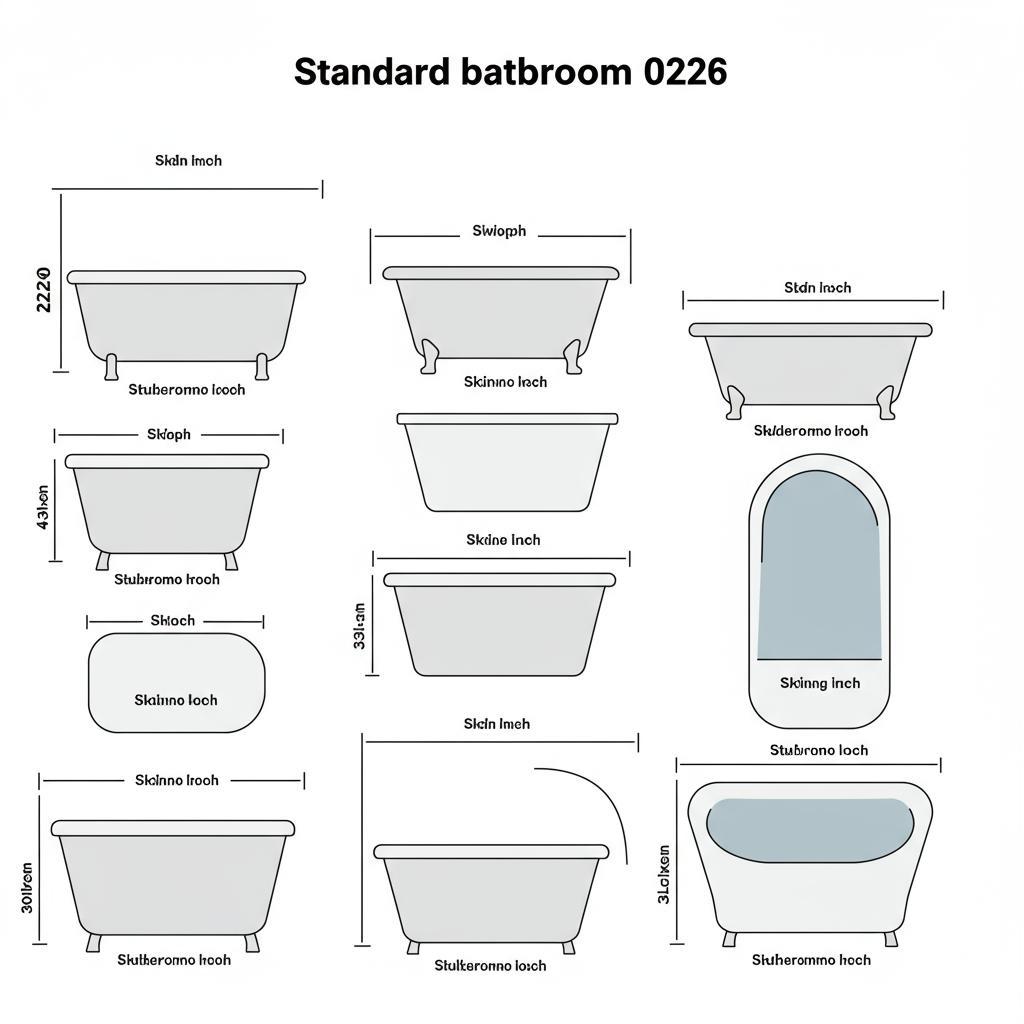
The length of a standard bathtub typically ranges from 60 inches (5 feet) to 72 inches (6 feet). The most common length is 60 inches, making it a popular choice for many bathrooms. However, if you have a larger bathroom or prefer a more spacious bathing experience, a 72-inch tub might be a better fit. Shorter tubs, around 54 inches, also exist, often catering to smaller spaces or offering deeper soaking depths.
### Standard Bathtub Width
The width of a standard bathtub usually falls between 30 inches and 32 inches. This width provides enough space for comfortable bathing without taking up too much room in the bathroom. Some wider tubs, around 36 inches, are available for those who desire extra space, while narrower tubs might be around 27 inches.
### Standard Bathtub Height (Depth)
The height, or depth, of a standard bathtub is generally between 14 inches and 20 inches. This measurement refers to the distance from the bottom of the tub to the top of the rim. A deeper tub allows for a more immersive soaking experience, while a shallower tub might be easier to get in and out of, especially for individuals with mobility concerns. Overflow drains usually limit the actual fill depth to a couple inches less than the total height.
[Explore Top Rated standard bathtub sizes on Amazon.]
## Common Types of Standard Bathtubs and Their Sizes
While the above dimensions are standard, they can vary depending on the type of bathtub. Let’s explore some common types and their typical sizes:
* **Alcove Bathtubs:** These are the most common type, designed to fit into a three-walled enclosure. Standard alcove bathtubs are typically 60 inches long, 30-32 inches wide, and 14-16 inches high.
* **Drop-In Bathtubs:** These tubs are installed into a framed enclosure, allowing for more design flexibility. Drop-in tubs often come in the same standard lengths (60-72 inches) and widths (30-32 inches) as alcove tubs, but the height can vary depending on the design of the enclosure.
* **Corner Bathtubs:** Designed to fit into a corner of the bathroom, these tubs often have a triangular or rounded shape. Corner bathtubs can vary significantly in size, but a common size is around 60 inches by 60 inches. Be sure to account for the angled sides when measuring.
* **Freestanding Bathtubs:** These tubs stand alone and are not attached to any walls. Freestanding bathtubs come in a wide range of sizes and shapes, with lengths typically ranging from 60 inches to 72 inches and widths from 30 inches to 36 inches. They can be a statement piece in your bathroom.
* **Soaking Tubs:** Designed for deep soaking, these tubs are typically deeper than standard bathtubs, with heights ranging from 18 inches to over 30 inches. The length and width can vary, but they often fall within the standard ranges of 60-72 inches and 30-36 inches, respectively.
* **Walk-In Tubs:** These tubs are designed for individuals with mobility issues, featuring a door for easy access. Walk-in tubs are usually shorter than standard bathtubs, typically around 52 inches long, but they are often wider, around 30 inches, and taller, around 40 inches, to accommodate the built-in seat and door mechanism.
[Explore Top Rated standard bathtub sizes on Amazon.]
## Factors to Consider When Choosing a Standard Bathtub Size
Choosing the right standard bathtub size involves considering several factors:
### Bathroom Size and Layout
The size of your bathroom is the most crucial factor. Measure your bathroom carefully, paying attention to the available space for the tub. Consider the layout of your bathroom and how the tub will fit in relation to other fixtures, such as the toilet, sink, and shower. Don’t forget to account for door swing! A standard bathtub sizes that’s too large will make the space feel cramped, while a standard bathtub sizes that’s too small might not provide the comfort you desire.
### Bather Height and Comfort
Consider the height of the primary users of the tub. Taller individuals will likely prefer a longer tub to stretch out comfortably. Think about your preferred bathing position – do you like to lie down fully, or do you prefer to sit up? A deeper tub might be more comfortable for soaking, while a shallower tub might be easier to get in and out of. The internal dimensions, not just the external, are key here.
### Water Heater Capacity
A larger tub requires more water to fill, so make sure your water heater can handle the capacity. Consider upgrading to a larger water heater if necessary, especially if you’re planning on installing a deep soaking tub. Nothing’s worse than a cold bath! A good rule of thumb is to calculate the tub’s volume (length x width x average depth) in gallons and ensure your water heater can provide at least that much hot water.
### Budget
Standard bathtub sizes come in a wide range of prices, depending on the material, features, and brand. Set a budget beforehand and stick to it. Remember to factor in the cost of installation, plumbing, and any necessary modifications to your bathroom. It’s often more expensive to go *smaller* as you get into custom builds, since standard sizes are mass produced.
### Plumbing Considerations
Consider the location of your existing plumbing. Moving plumbing can be expensive, so it’s often easier to choose a standard bathtub sizes that can be installed in the same location as your existing tub. If you are moving plumbing, be sure to hire a qualified plumber to ensure the job is done correctly. Also, accessibility to the drain and water lines after installation is crucial for maintenance.
### Accessibility
Think about the accessibility of the tub, especially if you have mobility issues or plan to age in place. A walk-in tub might be a good option if you have difficulty getting in and out of a standard tub. Consider adding grab bars and slip-resistant surfaces for added safety, regardless of the tub type.
[Explore Top Rated standard bathtub sizes on Amazon.]
## Measuring Your Bathroom for a New Bathtub
Accurate measurements are critical for selecting the right standard bathtub sizes, or any bathtub size for that matter. Here’s a step-by-step guide:
1. **Clear the Area:** Remove any obstructions from the area where the tub will be installed.
2. **Measure the Length:** Measure the distance between the walls where the tub will be placed. Be sure to measure at the floor and at the height where the top of the tub will be. Walls are often not perfectly square!
3. **Measure the Width:** Measure the width of the space available for the tub.
4. **Measure the Height:** Measure the height from the floor to any obstructions, such as windows or shelves.
5. **Consider the Doorway:** Ensure that the tub can fit through the doorway of your bathroom.
6. **Account for Plumbing:** Take note of the location of your existing plumbing.
7. **Double Check:** Have another person double-check your measurements to ensure accuracy. Consider taking photos and writing down all key measurements in case you need to reference them later.
[Explore Top Rated standard bathtub sizes on Amazon.]
## Common Mistakes to Avoid When Choosing a Standard Bathtub Size
Choosing the wrong standard bathtub sizes can lead to costly and frustrating mistakes. Here are some common pitfalls to avoid:
* **Not measuring your bathroom accurately:** This is the most common mistake. Double-check your measurements to ensure that the tub will fit properly.
* **Ignoring the location of plumbing:** Moving plumbing can be expensive and time-consuming. Choose a tub that can be installed in the same location as your existing plumbing, if possible.
* **Not considering the comfort of the bather:** Think about the height and preferences of the primary users of the tub.
* **Forgetting about accessibility:** If you have mobility issues, consider a walk-in tub or add grab bars to a standard tub.
* **Not factoring in the cost of installation:** Installation can add significantly to the overall cost of the tub.
* **Overlooking water heater capacity:** Make sure your water heater can handle the capacity of the tub.
* **Buying a bathtub online without checking dimensions:** While online shopping is convenient, inspect the exact dimensions (including internal dimensions) before purchasing.
[Explore Top Rated standard bathtub sizes on Amazon.]
## Recommended Standard Bathtub Sizes for Different Bathroom Layouts
Here are some recommendations for standard bathtub sizes based on different bathroom layouts:
### Small Bathrooms
For small bathrooms, an alcove tub with dimensions of 60 inches long, 30 inches wide, and 14-16 inches high is often the best choice. This maximizes space while providing a comfortable bathing experience. A smaller, more square soaking tub could also work if you prioritize depth over length.
### Medium-Sized Bathrooms
In a medium-sized bathroom, you have more flexibility. You could opt for a standard alcove tub, a drop-in tub, or even a smaller freestanding tub. A corner tub might also be a good option for maximizing space. Lengths between 60-66 inches work well here. With a bit more space, consider a jetted tub for added relaxation.
### Large Bathrooms
Large bathrooms offer the most flexibility. You can choose a larger freestanding tub, a drop-in tub with a custom enclosure, or even a luxurious soaking tub. Consider adding features such as jets, chromatherapy, or aromatherapy for a spa-like experience. Longer lengths, around 72 inches, and widths over 32 inches really shine in larger bathrooms.
[Explore Top Rated standard bathtub sizes on Amazon.]
## Maintaining Your Standard Bathtub
Proper maintenance will prolong the life of your bathtub and keep it looking its best.
* **Clean Regularly:** Clean your tub regularly with a non-abrasive cleaner. Avoid using harsh chemicals or scrub brushes that can scratch the surface.
* **Repair Cracks and Chips:** Repair any cracks or chips promptly to prevent further damage.
* **Prevent Clogs:** Use a drain strainer to prevent hair and other debris from clogging the drain.
* **Avoid Harsh Chemicals:** Avoid using harsh chemicals, such as bleach or ammonia, which can damage the finish of the tub.
* **Dry After Use:** Dry the tub after each use to prevent water spots and mildew growth.
[Explore Top Rated standard bathtub sizes on Amazon.]
## Conclusion: Finding the Perfect Standard Bathtub Sizes for You in 2026
Choosing the right standard bathtub sizes is a significant decision that impacts both the functionality and aesthetics of your bathroom. By understanding the standard dimensions, considering the factors outlined in this guide, and avoiding common mistakes, you can confidently select a tub that meets your needs and preferences. Remember to prioritize comfort, accessibility, and budget when making your decision. In 2026, many excellent options are available, so take your time, do your research, and enjoy the process of creating your dream bathroom!
[Shop Budget-Friendly standard bathtub sizes on Amazon.]