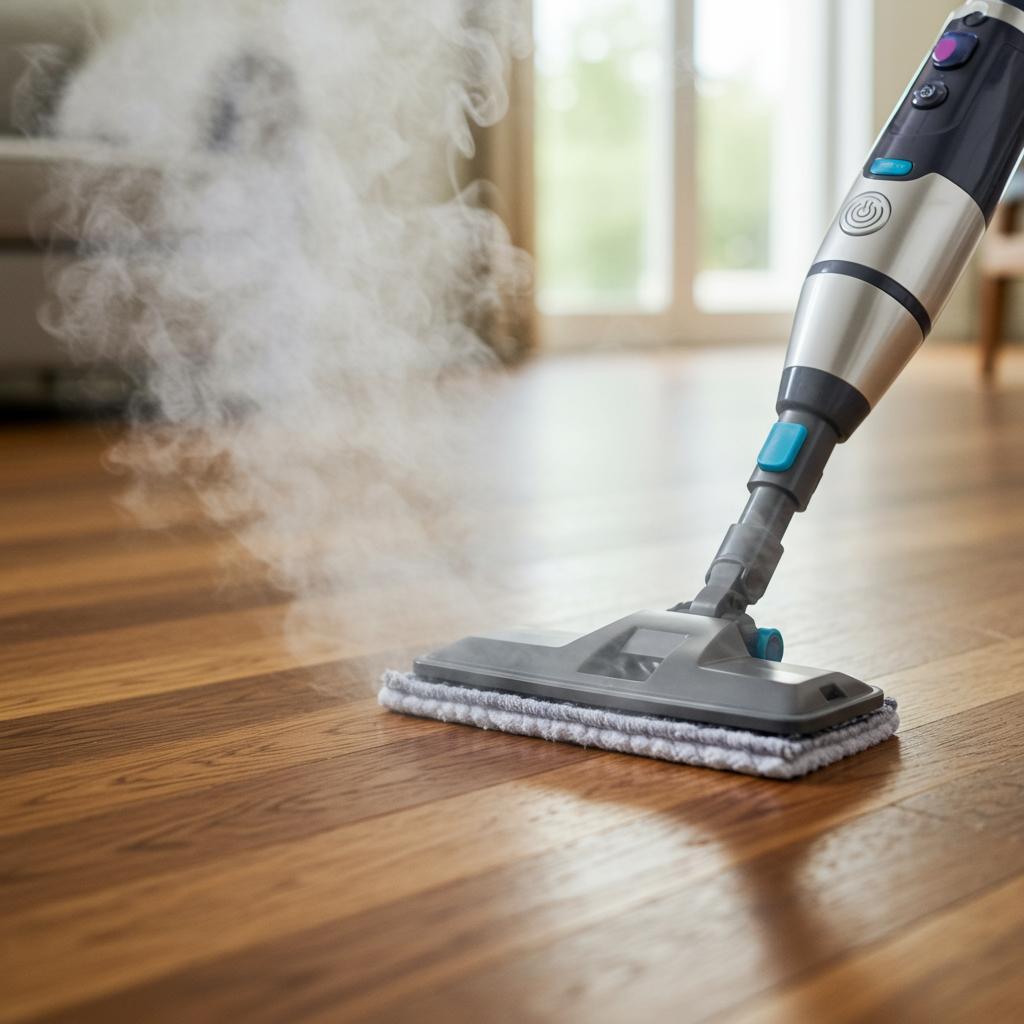
[Check Latest Arrivals steam mop on wood floor on Amazon.]
# Steam Mop on Wood Floors: The Ultimate Guide to Safe & Effective Cleaning (2026)
Alright, so you’re wondering if you can use a steam mop on your beautiful wood floors without wrecking them, right? You’re not alone! The fear of damaging those gorgeous planks is totally understandable. But the good news is, steam mopping *can* be a safe and effective way to clean your wood floors, as long as you know what you’re doing. This guide is going to walk you through everything you need to know about using a **steam mop on wood floor** safely, effectively, and without any of those nasty surprises. Let’s dive in!
[Explore Top Rated steam mop on wood floor on Amazon.]
## Why Cleaning Wood Floors Can Be Tricky
Wood floors are stunning, adding warmth and character to any home. However, unlike tile or linoleum, they require a little more TLC. The biggest enemies of wood floors are moisture and harsh chemicals. Too much water can seep into the seams, leading to warping, swelling, and, eventually, expensive repairs. Traditional mopping methods often involve a bucket full of water and potentially damaging cleaning solutions.
That’s where the appeal of a **steam mop on wood floor** comes in. Steam cleaning promises to sanitize and clean with minimal moisture, relying instead on the power of heat. But is it *really* safe? And how do you ensure you’re not doing more harm than good?
[Explore Top Rated steam mop on wood floor on Amazon.]
## The Solution: Steam Mopping Your Wood Floors the Right Way
A **steam mop on wood floor** can be an excellent cleaning tool if used with caution and the right technique. Steam sanitizes effectively, killing bacteria and lifting dirt without relying on harsh chemicals. However, it’s crucial to understand the nuances of steam cleaning wood to avoid damaging your floors.
Here’s a step-by-step guide to safely and effectively using a **steam mop on wood floor**:
### 1. Determine If Your Floors Are Sealed
This is *the most important* step. Unsealed wood floors should *never* be steam mopped. Water can penetrate the wood easily, leading to irreversible damage. If you’re unsure if your floors are sealed, perform a simple test:
* Place a few drops of water on an inconspicuous area of your floor.
* Let it sit for several minutes.
* If the water beads up, your floors are likely sealed. If the water is absorbed quickly and leaves a dark spot, your floors are unsealed.
If your floors are unsealed, consult with a professional flooring contractor for appropriate cleaning methods. Consider using a wood floor cleaner specifically designed for unsealed floors.
### 2. Thoroughly Sweep or Vacuum First
Before you even think about using the **steam mop on wood floor**, remove all loose dirt, dust, and debris. A vacuum with a soft brush attachment is ideal, as it will gently lift dirt without scratching the floor’s surface. You can also use a microfiber dry mop. Skipping this step will simply move dirt around and potentially scratch your floors during the steam cleaning process. The goal is to start with a clean surface so the steam can effectively sanitize, not just spread grime.
### 3. Use a Steam Mop Specifically Designed for Wood Floors
Not all steam mops are created equal. Look for one with adjustable steam settings, allowing you to control the amount of moisture released. A mop with a microfiber pad is also crucial, as it will gently lift dirt and absorb excess moisture. Mops explicitly designed for wood floors often have special settings or attachments that further minimize the risk of damage. A good **steam mop on wood floor** should offer low-heat, low-moisture cleaning.
### 4. Use Distilled Water Only
Tap water contains minerals that can leave residue on your floors or damage the steam mop itself. Always use distilled water in your steam mop to prevent mineral buildup and ensure a clean, streak-free finish. This simple step can significantly extend the life of your **steam mop on wood floor** and keep your floors looking their best.
### 5. Start with the Lowest Steam Setting
Begin with the lowest steam setting and test it in an inconspicuous area. Observe how the floor reacts. If the water evaporates quickly and there’s no visible damage, you can gradually increase the steam setting if needed. The key is to use just enough steam to clean effectively without saturating the floor. Remember, less is more when it comes to steam cleaning wood.
### 6. Move the Mop Constantly
Don’t let the steam mop sit in one spot for too long. Keep it moving in a smooth, consistent motion to prevent moisture from pooling on the floor. Overlapping each pass slightly will ensure even cleaning and prevent streaks. Think of it like painting – even, deliberate strokes are key to a professional-looking finish.
### 7. Dry the Floor Immediately (If Necessary)
If you notice any excess moisture on the floor after steam mopping, use a clean, dry microfiber cloth to wipe it up immediately. The goal is to minimize the amount of time water sits on the floor. Some **steam mops on wood floor** leave the floors virtually dry to the touch, eliminating this step. If yours doesn’t, a quick wipe with a dry cloth will prevent water damage.
### 8. Ventilate the Room
Open windows or turn on a fan to help the floor dry quickly and prevent moisture buildup. Good ventilation is essential for any cleaning project, but especially important when steam cleaning wood floors. This will also help eliminate any lingering steam and prevent condensation.
[Explore Top Rated steam mop on wood floor on Amazon.]
## Tools for the Job: Recommended Steam Mops for Wood Floors
Choosing the right steam mop can make all the difference. Here are a couple of excellent options designed specifically for wood floors:
* **Bissell SteamShot Deluxe Handheld Steam Cleaner:** This handheld steam cleaner is compact and lightweight, making it easy to maneuver around furniture and tight spaces. It comes with a variety of attachments, including a flat surface tool with a microfiber pad specifically designed for wood floors. **Key Features:** On-demand steam trigger, multiple attachments, lightweight design. Its versatility and targeted cleaning make it great for spot cleaning and detail work. With different settings, you can get the best experience and avoid water damage.
* **Shark S3501 Steam Pocket Mop Hard Floor Cleaner:** This steam mop is a popular choice for wood floors due to its gentle steam output and microfiber pads. It also features a swivel head for easy maneuverability. **Key Features:** Swivel head, lightweight, machine-washable pads. The Shark S3501 is known for its user-friendliness and effective cleaning power. Its light weight and ease of use makes it perfect for everyday cleaning, minimizing the risk of over-saturating the floors.
[Explore Top Rated steam mop on wood floor on Amazon.]
## Pro-Tips / FAQ Section: Steam Mop on Wood Floor
**Q: Can I use cleaning solutions in my steam mop?**
**A:** No! Never add cleaning solutions to your steam mop. The heat from the steam can react with the chemicals in the cleaner, potentially damaging your floors or releasing harmful fumes. Steam alone is usually sufficient to clean and sanitize.
**Q: How often should I steam mop my wood floors?**
**A:** Steam mopping is a great way to clean because it also sanitizes. If you’d like to sanitize your wood floor, you should steam mop once weekly. If you’re not worried about sanitization, only steam mop when needed. Over-cleaning can damage the floor.
**Q: Can I use a steam mop on laminate floors?**
**A:** Generally, yes, but always check the manufacturer’s instructions for your specific laminate flooring. Laminate is more water-resistant than wood, but excessive moisture can still cause damage.
**Q: What if my floors have a dull haze after steam mopping?**
**A:** This is often caused by mineral buildup from tap water or residue from previous cleaning products. Try steam mopping with distilled water only. If the haze persists, buff the floor with a clean, dry microfiber cloth.
**Q: Is it ok to put vinegar in my steam mop?**
**A:** While vinegar is a natural cleaning agent, it is very harsh. If it sits on your floor too long, it could damage it.
[Explore Top Rated steam mop on wood floor on Amazon.]
## Encouraging Conclusion: Clean and Safe Wood Floors are Achievable!
So, can you safely use a **steam mop on wood floor**? The answer is a resounding YES, as long as you follow these guidelines. By understanding the nuances of wood floor care, choosing the right steam mop, diligently sweeping and vacuuming beforehand, using the lowest steam setting, and drying any excess moisture, you can enjoy clean, sanitized wood floors without the worry of damage. Take your time, be mindful of the process, and your wood floors will thank you for it! Happy Cleaning!
[Shop Budget-Friendly steam mop on wood floor on Amazon.]




![Steam Pressure Cleaner Buying Guide [2026]: Reviews, FAQs & More](https://www.besthomecleaningreviews.com/wp-content/uploads/2025/10/2455-steam-pressure-cleaner-buying-guide-2026-reviews-faqs-more-150x150.png)