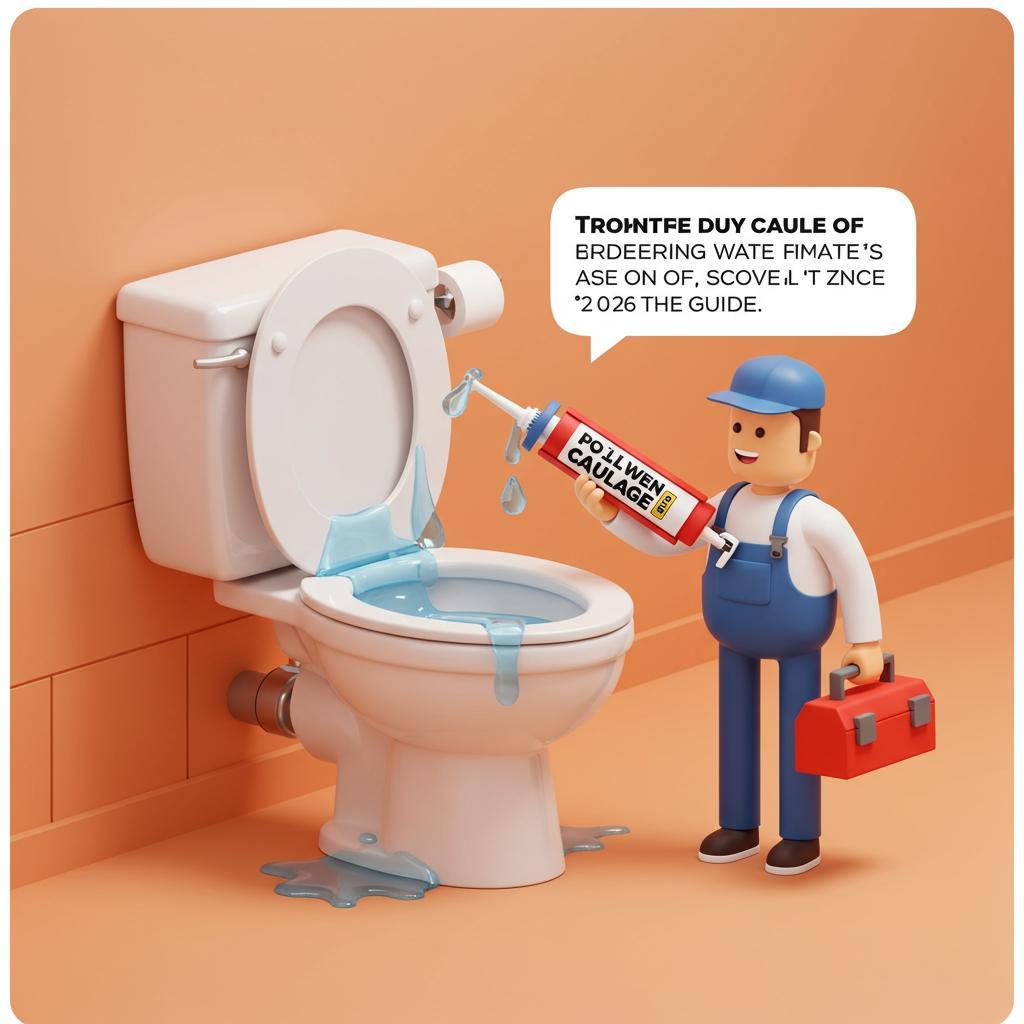
[Check Latest Arrivals toilet bowl caulk on Amazon.]
# Toilet Bowl Caulk: Stop Leaks & Prevent Water Damage (2026 Guide)
Is your toilet bowl wobbly? Do you see water pooling around the base after you flush? These are classic signs that your toilet bowl caulk is failing. Don’t ignore it! A little bit of preventative maintenance now can save you a lot of headaches (and money) later. This 2026 guide is your one-stop shop for understanding, fixing, and preventing leaks with the right toilet bowl caulk.
[Explore Top Rated toilet bowl caulk on Amazon.]
## Why Your Toilet Bowl Needs Caulk (And Why It Fails)
Okay, so maybe “toilet bowl caulk” isn’t the most glamorous topic, but it’s incredibly important. That neat bead of sealant around the base of your toilet isn’t just for aesthetics; it’s your first line of defense against water damage, mold growth, and even structural problems in your bathroom.
The purpose of toilet bowl caulk is threefold:
* **Prevent Leaks:** This is the big one. That caulk prevents water from escaping the toilet’s base during flushing. Even small leaks can seep into your subfloor, leading to rotting wood and expensive repairs.
* **Secure the Toilet:** While not its primary function, the caulk helps provide extra stability. A wobbly toilet can damage the wax ring seal between the toilet and the drainpipe, *causing* leaks.
* **Block Odors and Pests:** Cracked or missing caulk can create openings for unpleasant odors from the sewer to permeate your bathroom. It can also provide entry points for small insects.
So, why does toilet bowl caulk fail in the first place? Several factors contribute to its eventual breakdown:
* **Age:** Like any sealant, caulk degrades over time. It becomes brittle, cracks, and loses its adhesive properties.
* **Temperature and Humidity Fluctuations:** Bathrooms are subject to extreme changes in temperature and humidity. These fluctuations can cause the caulk to expand and contract, eventually leading to cracks and separation.
* **Cleaning Products:** Harsh cleaning chemicals can break down the caulk, shortening its lifespan.
* **Improper Application:** A poorly applied bead of caulk, even if it’s made of the best material, is doomed to fail prematurely. Air bubbles, gaps, or uneven application will compromise its effectiveness.
* **Movement:** Subtle shifts in the floor or the toilet itself can stress the caulk and cause it to crack over time.
Understanding these factors is the first step in preventing future problems and choosing the right toilet bowl caulk for your situation.
[Explore Top Rated toilet bowl caulk on Amazon.]
## The Solution: Replacing Your Toilet Bowl Caulk
Replacing your toilet bowl caulk is a relatively simple DIY project that can have a significant impact on your bathroom’s hygiene and structural integrity. Here’s a step-by-step guide to getting the job done right:
### Step 1: Gather Your Supplies
Before you start ripping out the old caulk, make sure you have everything you need:
* **New Toilet Bowl Caulk:** This is the most crucial item. Choose a high-quality, mildew-resistant sealant specifically designed for bathroom use. Silicone or a silicone/latex blend is generally the best choice. We’ll recommend a few specific options later.
* **Caulk Removal Tool:** A specialized caulk removal tool will make the job much easier and less messy. These tools are designed to slice through the old caulk without damaging the toilet or the floor.
* **Utility Knife:** A sharp utility knife can also be used to score and cut the old caulk.
* **Scraper:** A plastic scraper will help you remove any remaining residue. Avoid using metal scrapers, as they can scratch the toilet or floor.
* **Clean Rags or Paper Towels:** For wiping up messes and cleaning the surface.
* **Rubbing Alcohol:** To clean the surface before applying the new caulk. This ensures proper adhesion.
* **Caulk Gun:** A caulk gun is essential for applying the new caulk evenly and precisely.
* **Gloves:** To protect your hands from the caulk and cleaning products.
* **Small Bucket or Trash Can:** For disposing of the old caulk.
### Step 2: Remove the Old Caulk
This is the most tedious part of the process, but it’s important to do it thoroughly to ensure a good seal with the new caulk.
1. **Score the Caulk:** Use the utility knife or caulk removal tool to score the caulk along the top and bottom edges. This will help break the bond and make it easier to remove.
2. **Peel Away the Caulk:** Use the caulk removal tool or a putty knife to peel away the old caulk. Work slowly and carefully to avoid damaging the toilet or the floor.
3. **Remove Remaining Residue:** Use the plastic scraper to remove any remaining residue. You may need to apply some pressure to loosen stubborn pieces.
4. **Clean the Surface:** Once you’ve removed all the old caulk, clean the surface with rubbing alcohol and a clean rag or paper towel. This will remove any dirt, grime, or mold that could prevent the new caulk from adhering properly. Allow the surface to dry completely before proceeding.
### Step 3: Apply the New Caulk
Now for the fun part! Applying the new caulk is relatively straightforward, but take your time and focus on creating a smooth, even bead.
1. **Prepare the Caulk Gun:** Cut the tip of the caulk tube at a 45-degree angle. The size of the opening will determine the width of the caulk bead. Pierce the inner seal with a nail or wire. Load the caulk tube into the caulk gun.
2. **Apply the Caulk:** Hold the caulk gun at a 45-degree angle to the surface and apply a consistent bead of caulk around the base of the toilet. Start in an inconspicuous area to get a feel for the gun and the caulk.
3. **Smooth the Caulk:** Use a wet finger (dip your finger in soapy water to prevent the caulk from sticking) or a caulk smoothing tool to smooth the bead of caulk. This will create a professional-looking finish and ensure a watertight seal.
4. **Clean Up Excess Caulk:** Use a damp rag or paper towel to wipe away any excess caulk.
5. **Allow to Cure:** Allow the caulk to cure completely according to the manufacturer’s instructions. This typically takes 24-48 hours. Avoid using the toilet during this time.
### Tools for the Job: Recommended Products
While technique is important, having the right tools can make a huge difference. Here are a couple of products we recommend:
* **GE Silicone 1 Bathroom Caulk:** This is a top-rated bathroom caulk known for its excellent adhesion, durability, and mildew resistance. **Its 10-year mold-free guarantee** gives you peace of mind knowing your seal will last, resisting even the most humid bathroom environments. The 100% silicone formula provides a flexible, watertight seal that can withstand temperature changes and movement. Available in various colors to match your toilet and bathroom décor. Check its latest price on Amazon.
* The key features of the Silicone 1 Caulk include:
* 100% Silicone
* Mold & Mildew resistant
* Available in multiple colors
* Waterproof and flexible
* 10 Year guarantee
* **Calk-Wiz Caulk Removal Tool:** This tool is designed to effortlessly remove old caulk without damaging the surrounding surfaces. **Its ergonomic design and sharp blade** make quick work of even the most stubborn caulk. The Calk-Wiz is a must-have for any DIYer who wants to achieve professional-looking results. Save time and effort with this handy tool. See current pricing on Amazon.
* The key features of the Calk-Wiz include:
* Angled blade design
* Ergonomic handle fits comfortably to your hand
* Works on any type of caulk
* Does not scratch surface
With those two items, you are almost guaranteed to have a successful project that will last for years.
[Explore Top Rated toilet bowl caulk on Amazon.]
## Pro Tips & FAQs
Here are some additional tips and frequently asked questions to help you achieve professional-looking results and ensure a long-lasting seal:
* **Choose the Right Caulk:** As mentioned earlier, silicone or a silicone/latex blend is the best choice for toilet bowl caulk. Avoid using acrylic caulk, as it’s not as durable or water-resistant.
* **Match the Color:** Choose a caulk color that matches your toilet and floor. White is a common choice, but you can also find caulk in almond, bisque, and other colors.
* **Don’t Over-Apply:** Applying too much caulk can make it difficult to smooth and clean up. Start with a small bead and add more if necessary.
* **Work in Sections:** If you’re working on a large area, apply the caulk in sections to prevent it from drying out before you have a chance to smooth it.
* **Use a Caulk Smoothing Tool:** A caulk smoothing tool will help you create a professional-looking finish. You can find these tools at most hardware stores.
* **Keep It Clean:** Clean the surface regularly to prevent mold and mildew from growing on the caulk. Use a mild soap and water solution.
**FAQs**
* **Can I use painter’s tape to create a clean line?** Absolutely! Apply painter’s tape along the edges of the toilet and floor before applying the caulk. Remove the tape immediately after smoothing the caulk for a clean, crisp line.
* **How often should I replace my toilet bowl caulk?** Ideally you should inspect your toilet bowl caulk every year. Depending on wear and tear should replace it every 3-5 years.
* **What if I have a gap between the toilet and the floor?** If you have a large gap between the toilet and the floor, you may need to use a foam backer rod to fill the gap before applying the caulk. This will prevent the caulk from sinking into the gap and ensure a solid seal.
* **Can I apply caulk over old caulk?** No. Always thoroughly remove the old caulk before applying new caulk. Applying caulk over old caulk will prevent the new caulk from adhering properly and will likely result in leaks.
[Explore Top Rated toilet bowl caulk on Amazon.]
## Final Verdict
Replacing your toilet bowl caulk is a simple yet effective way to prevent leaks, protect your bathroom from water damage, and maintain a hygienic environment. By following the steps outlined in this guide and using the recommended products, you can easily tackle this DIY project and enjoy a leak-free toilet for years to come. Don’t let a wobbly toilet bowl turn into a major headache – take action today and ensure your bathroom stays dry and protected!
[Shop Budget-Friendly toilet bowl caulk on Amazon.]



![Steam Pressure Cleaner Buying Guide [2026]: Reviews, FAQs & More](https://www.besthomecleaningreviews.com/wp-content/uploads/2025/10/2455-steam-pressure-cleaner-buying-guide-2026-reviews-faqs-more-150x150.png)